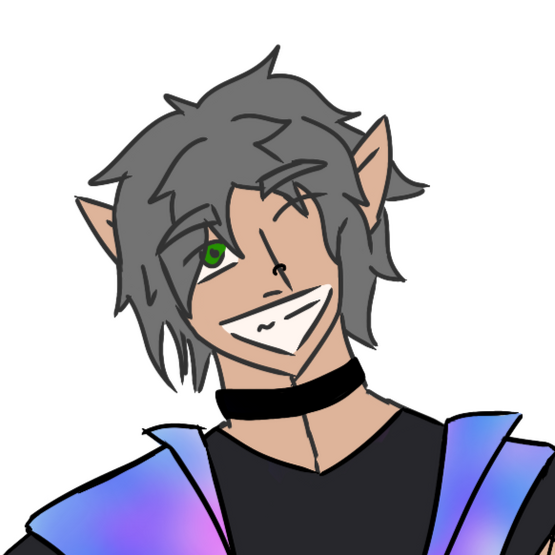
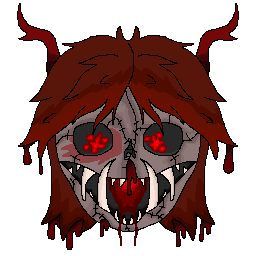
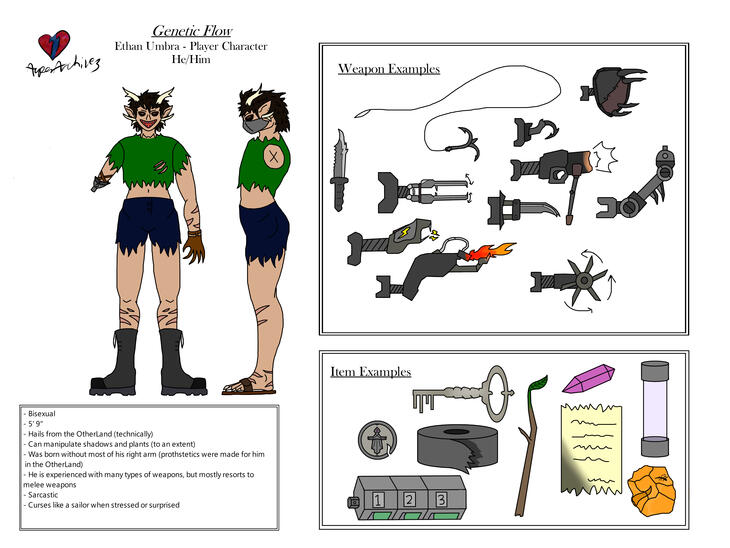
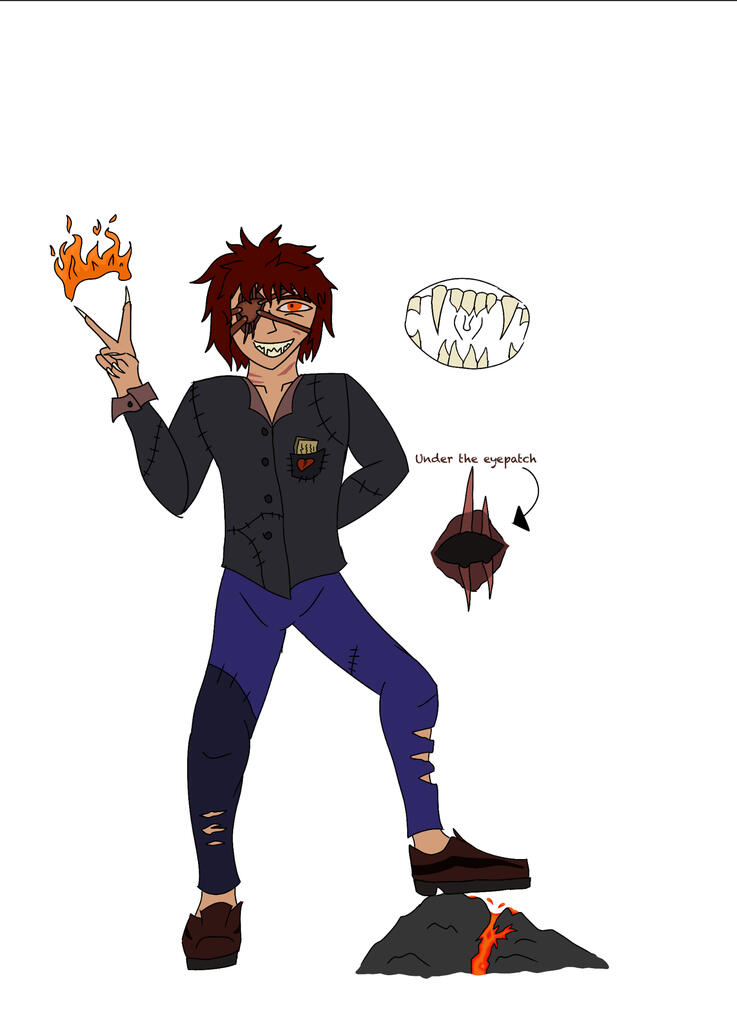
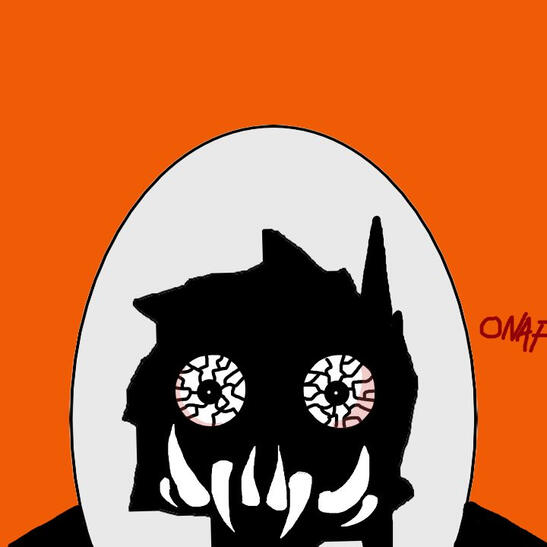
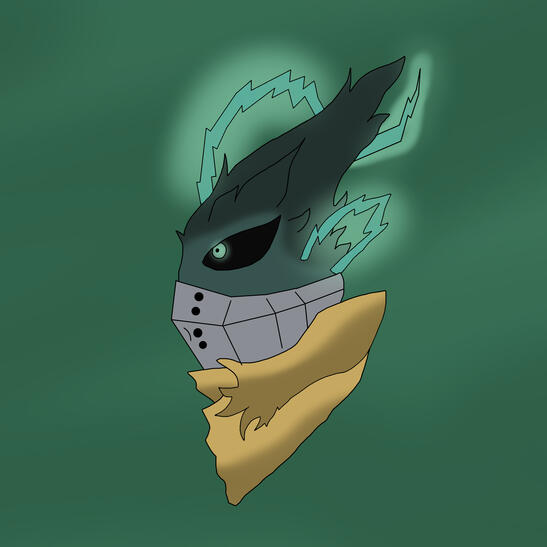
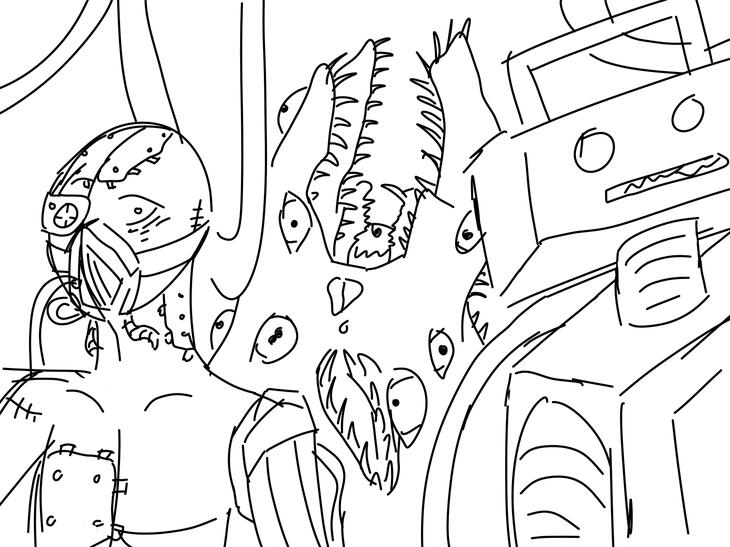
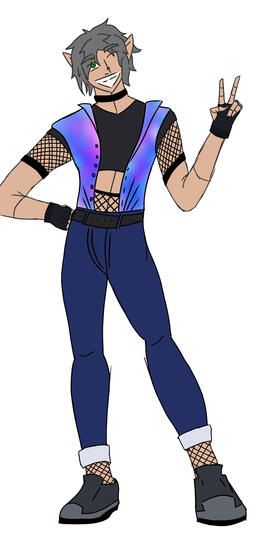
^ While this is not how Auper looks in real life, Umbra is their player character in a sci-fi TTRPG titled "Mothership". Auper often uses Umbra as their icon instead of an actual photograph due to severe issues regarding being perceived.
Auper Lashlee
"Aw-pur" or "Ah-pur" They/Them
Auper Lashlee is a character/creature artist and has used their vivid imagination to design a variety of creative works, including video games, books and other art-related projects.
Much of their work is rooted in/inspired by their lifelong love of paleontology and monsters.
Text
Text
Text
Text
Text
Text
Text
Text
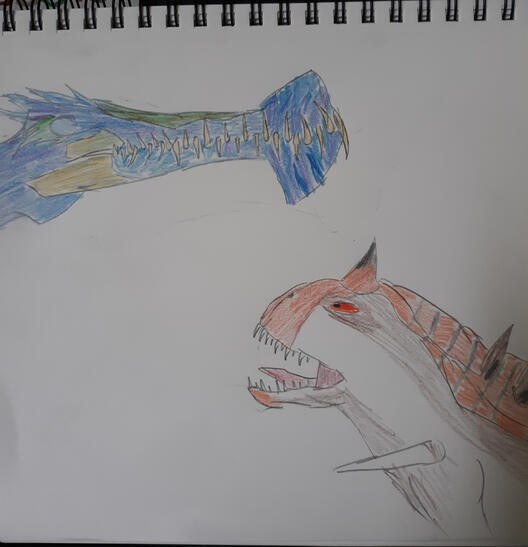
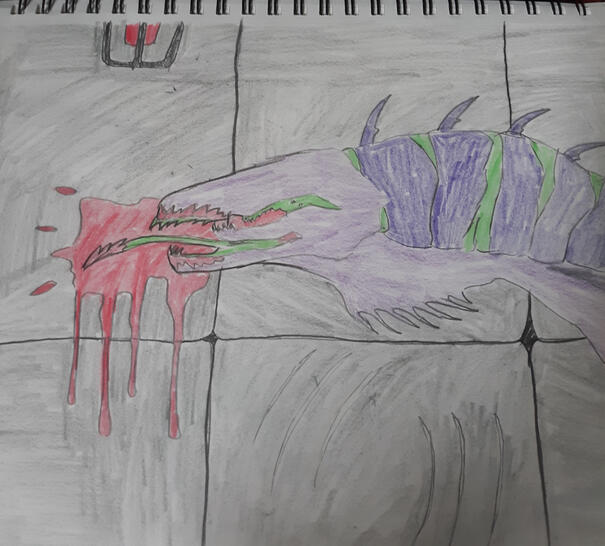
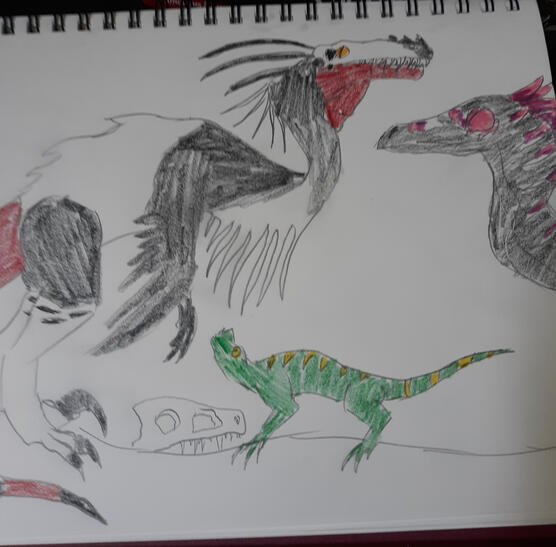
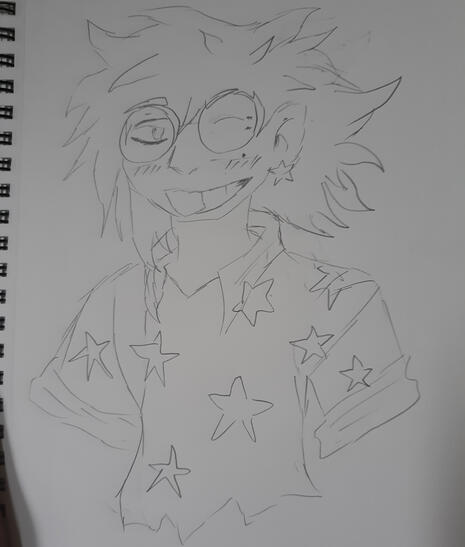
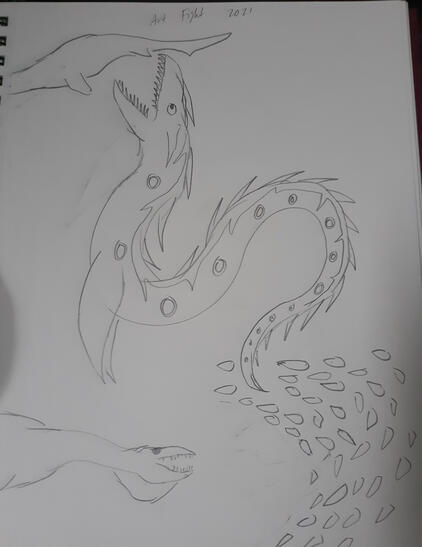
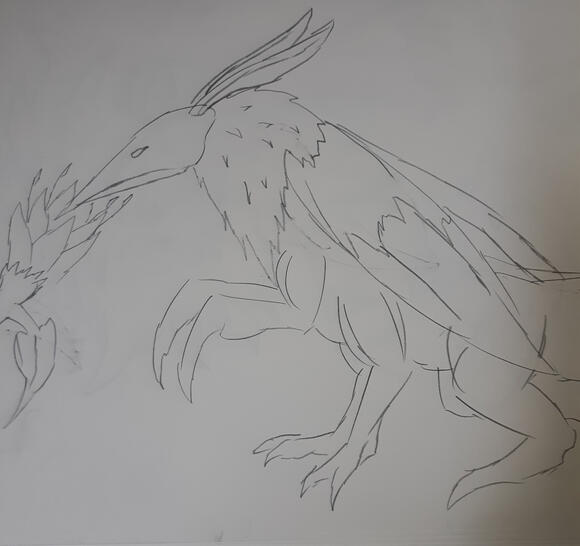
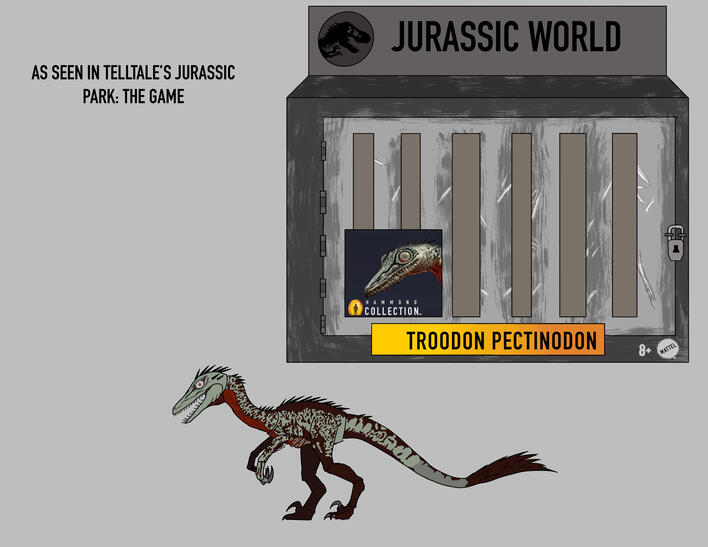
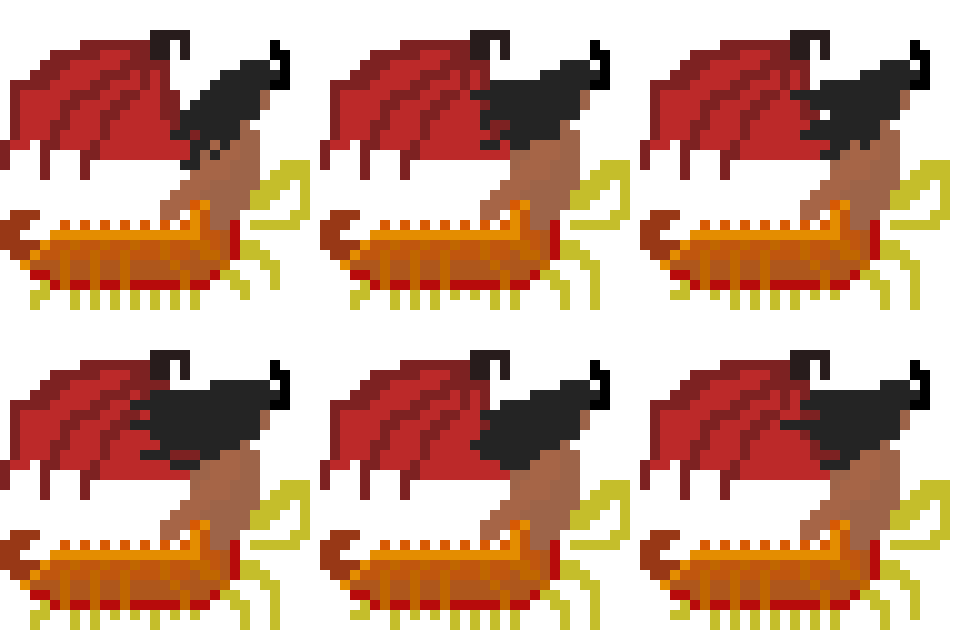
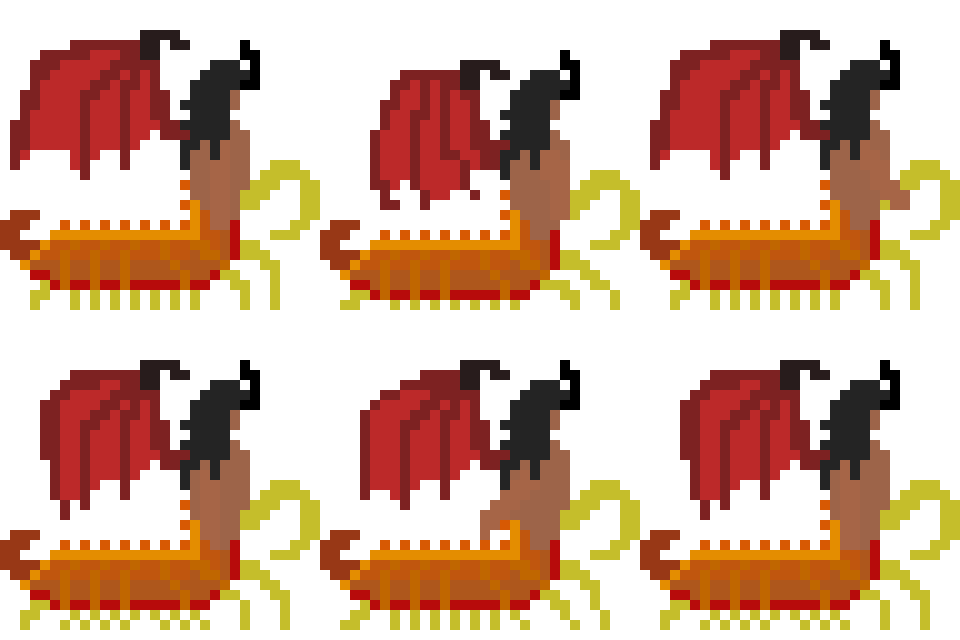
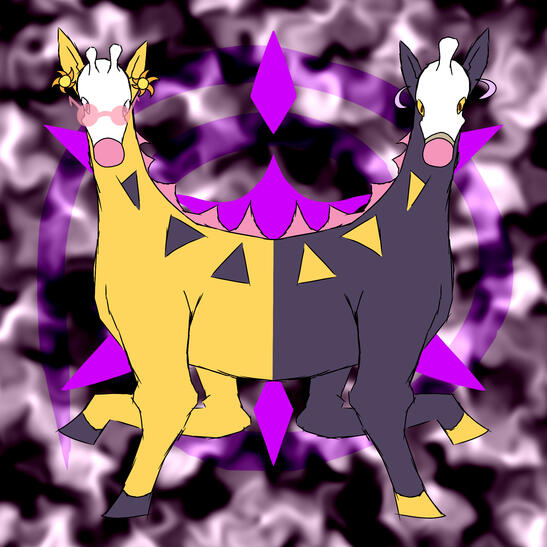
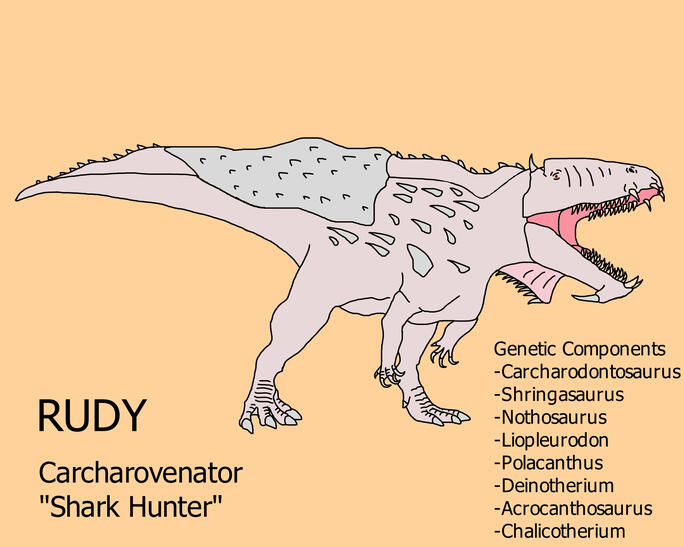
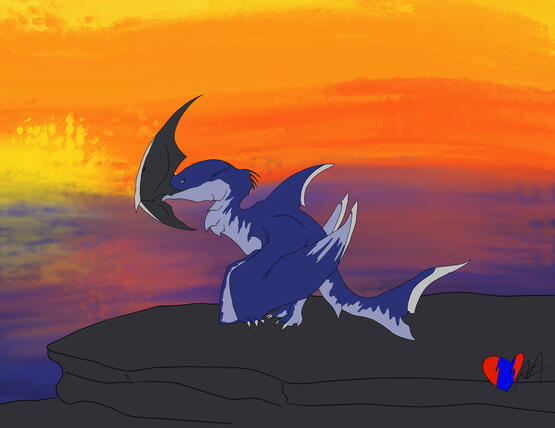
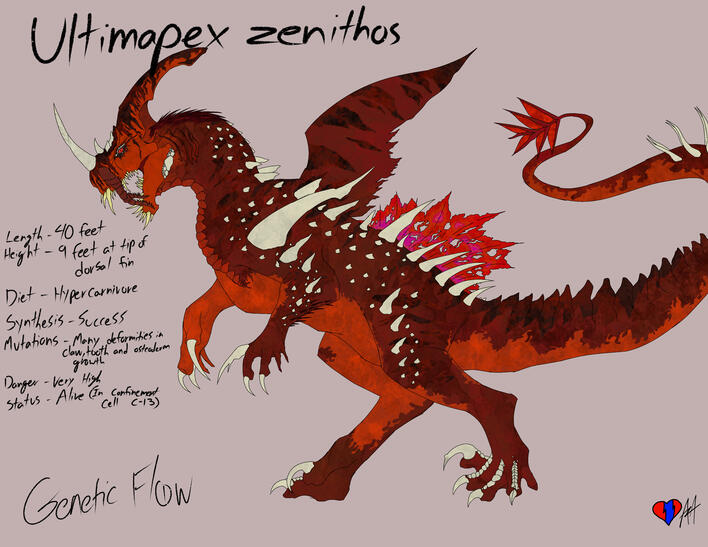
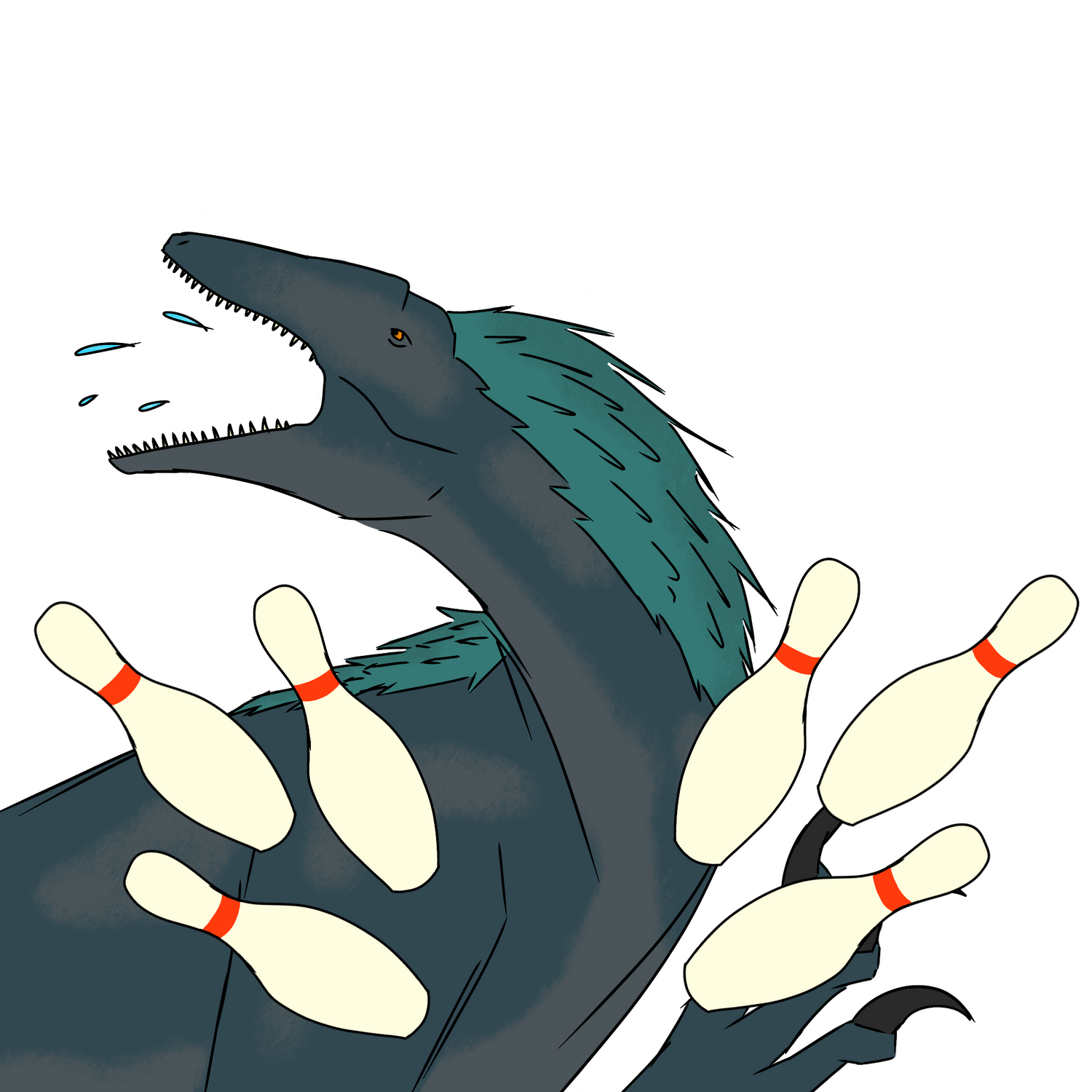
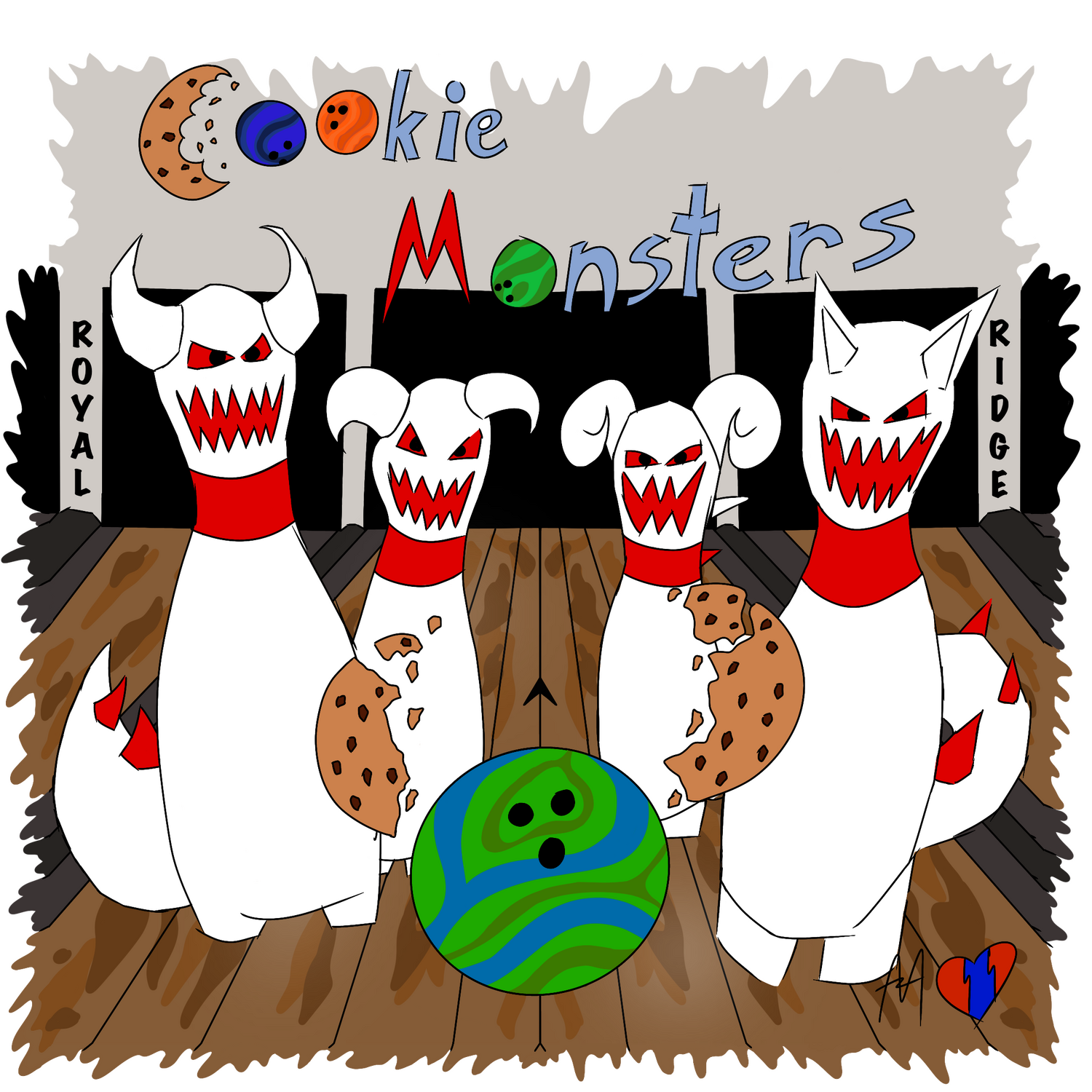
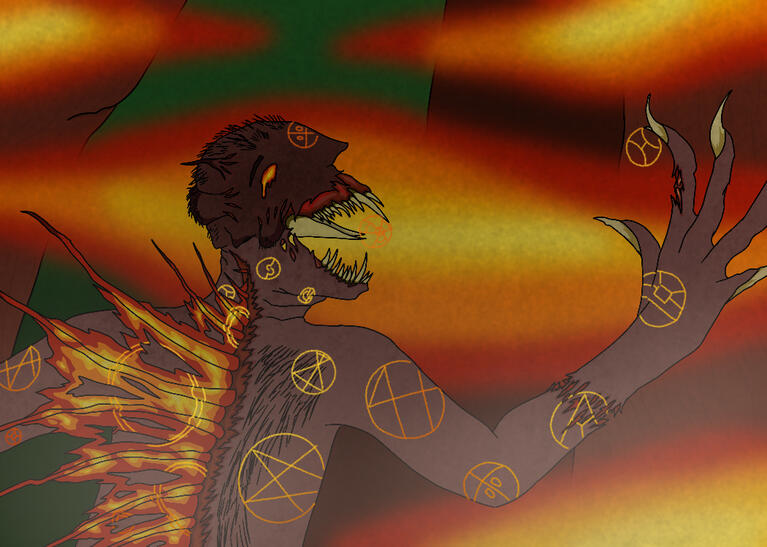
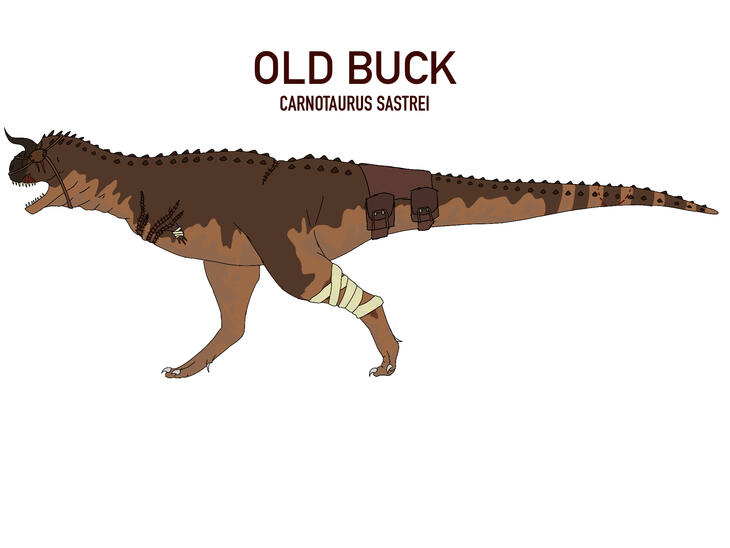
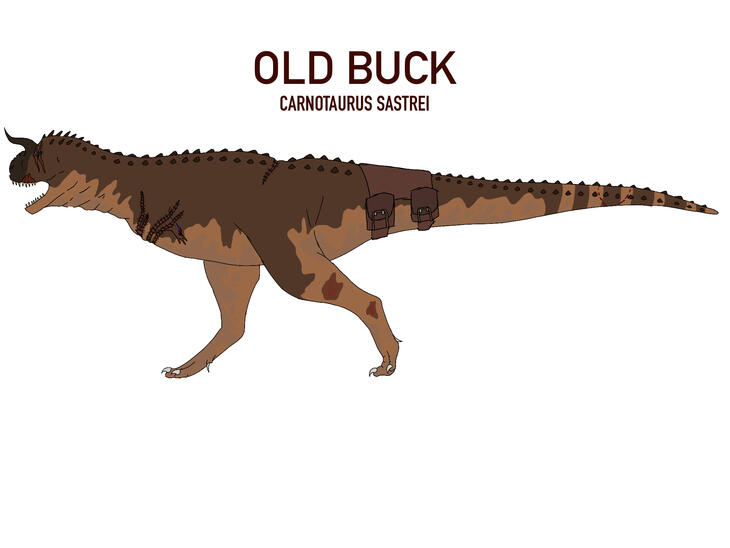
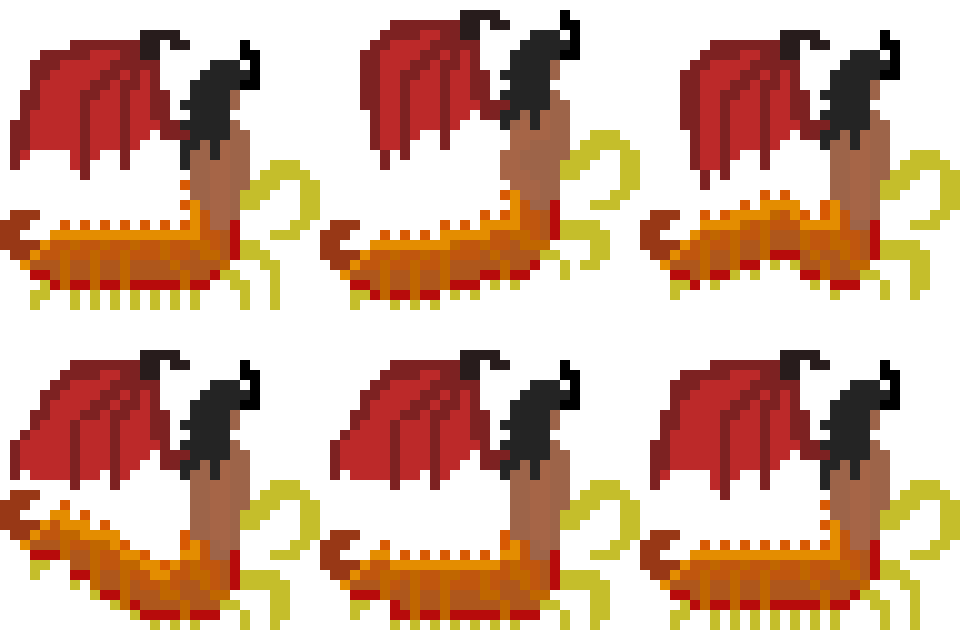
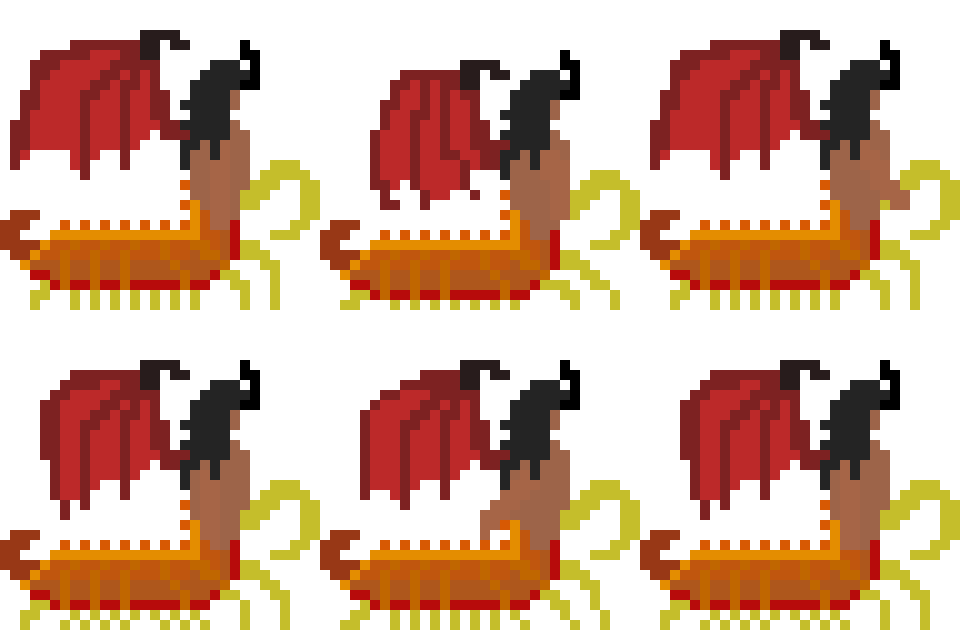
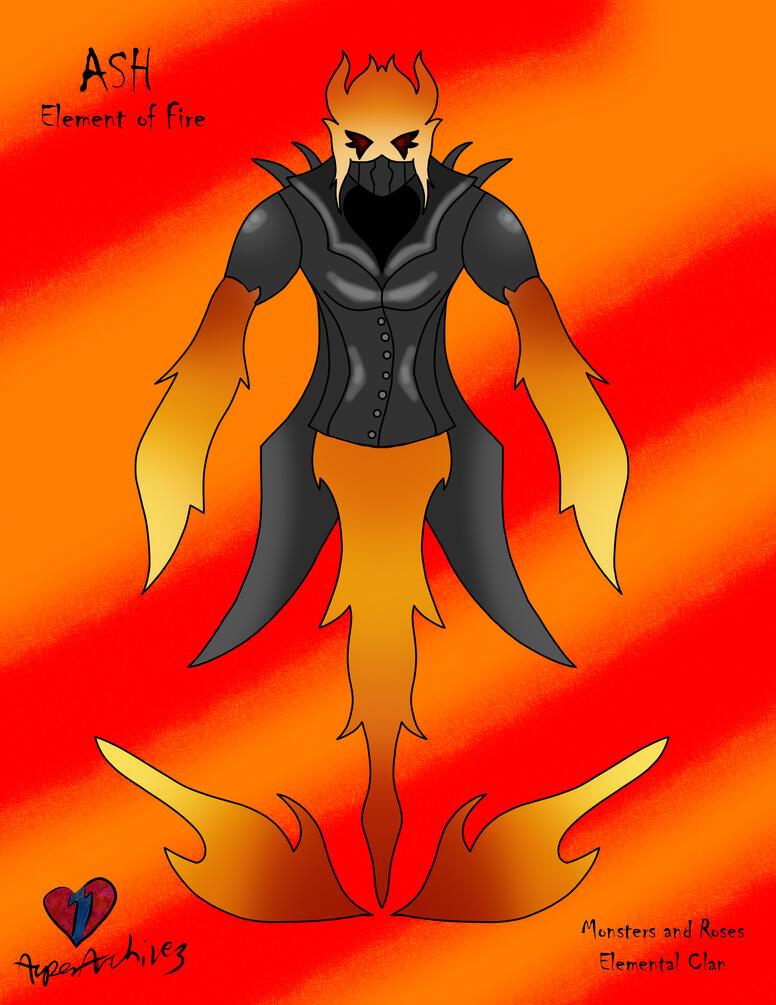
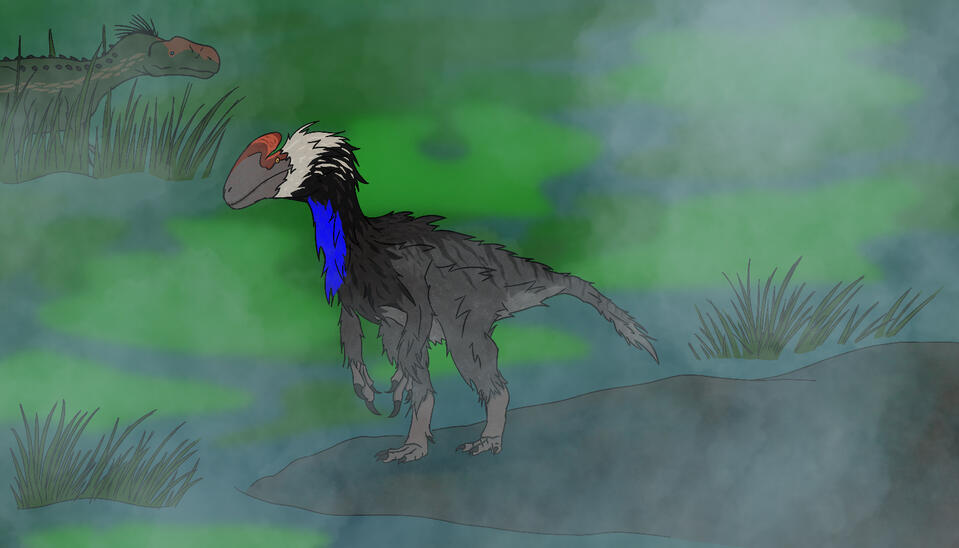
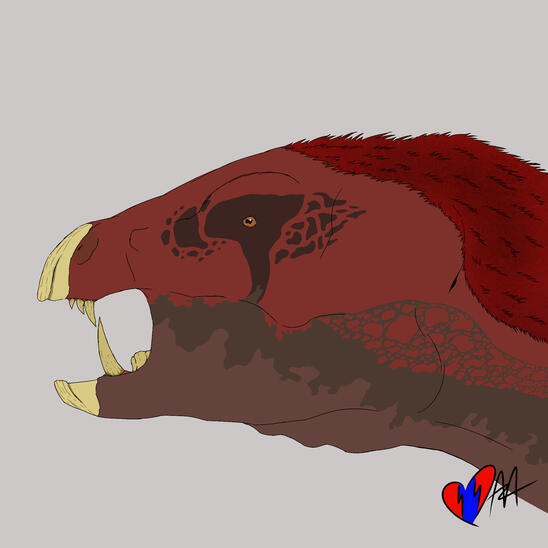
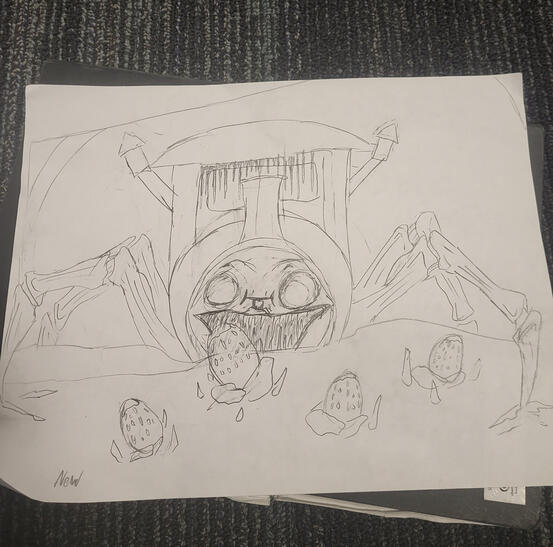
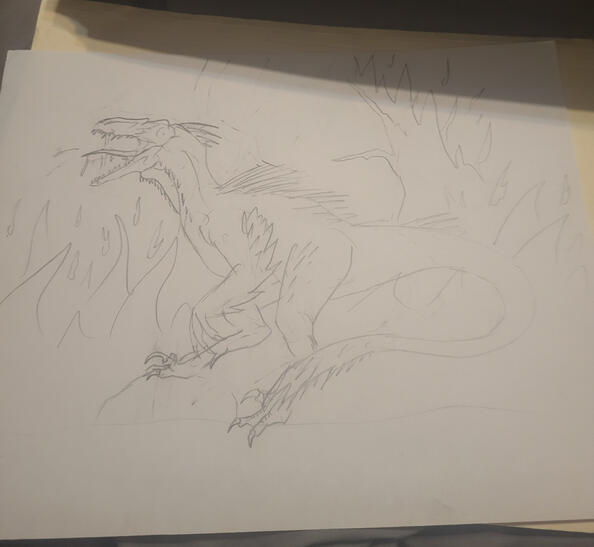
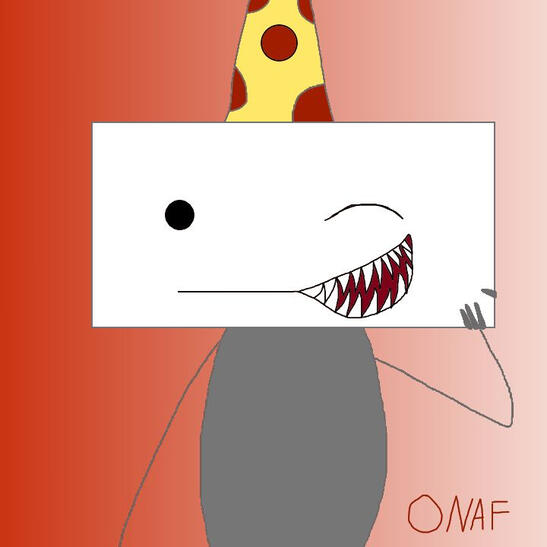
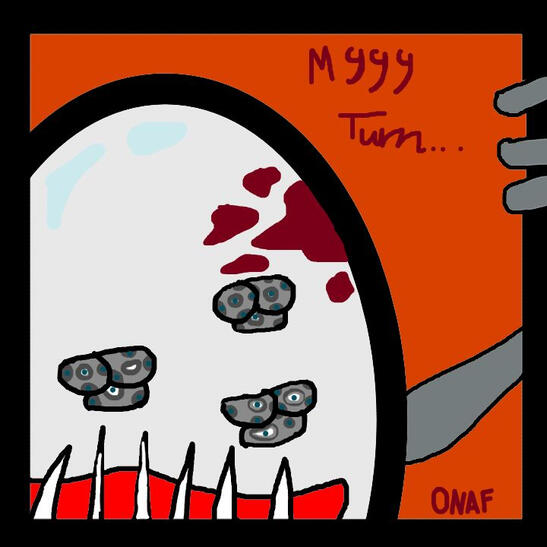
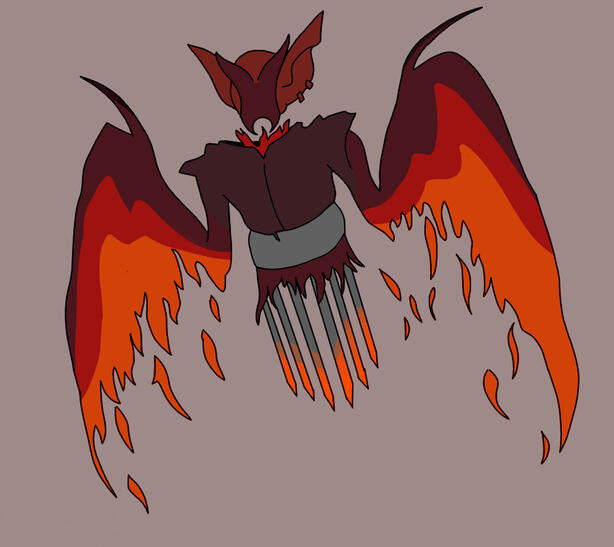
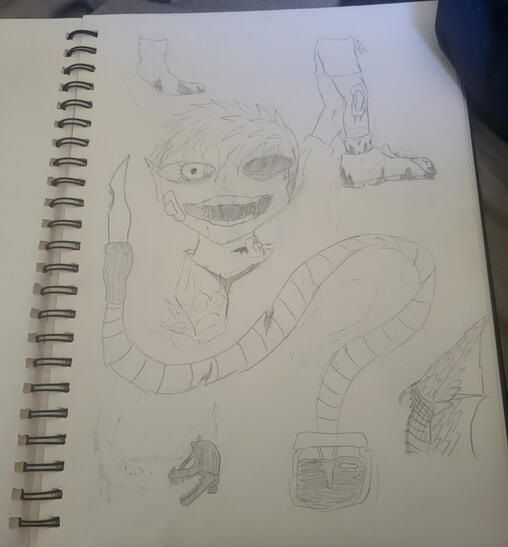
The above drawings are from my participation in the 2021 year of Art Fight. The objective is to draw characters made by people on the opposing team in order to gain points for your own team. This was my first year participating, so my art skills have vastly improved since this.
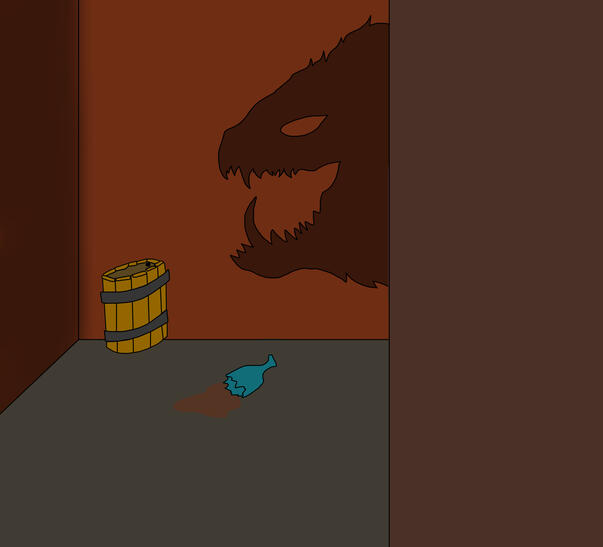
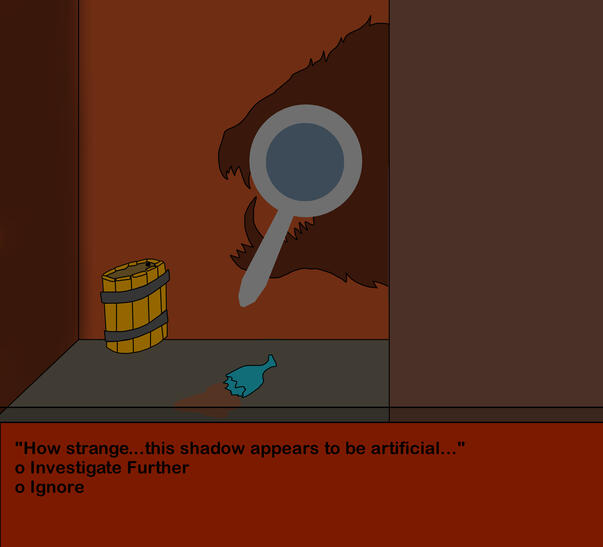







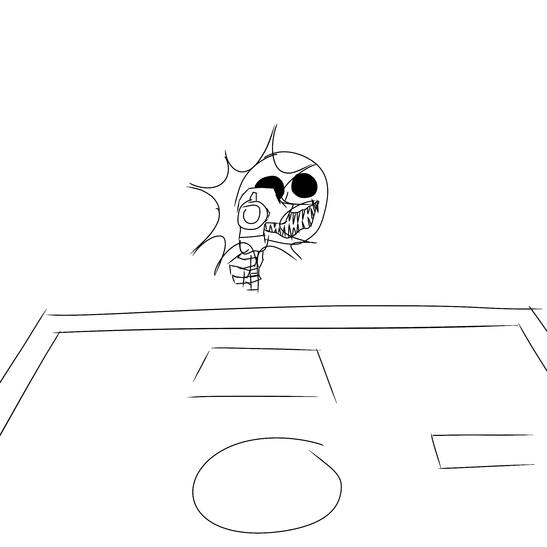
Infestation
Prompt: "Take a common setting and make something uncommon happen there. Think combat in a grocery store, betrayal at the post office, organized protest at the dentist office, etc). You cannot directly name your setting."
-B E E P-
Is this thing on? I think so, the red light is blinking. I’m going to have to hope it’s working.
Something weird has been happening all across the west US, and I fear that it’s finally reached me. I wanted to record a couple videos in case it helps anyone else find a way to stop these things.
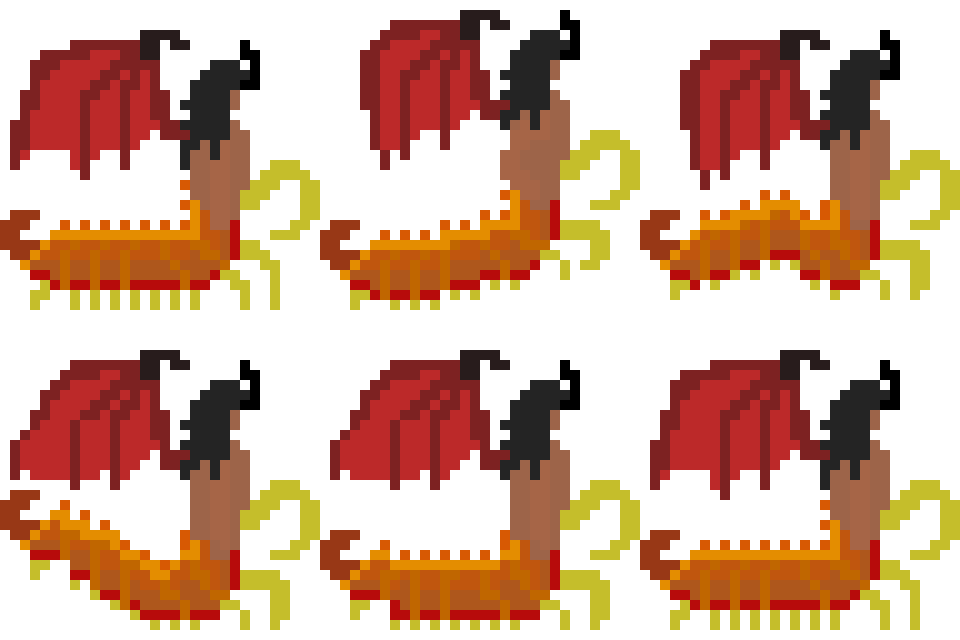
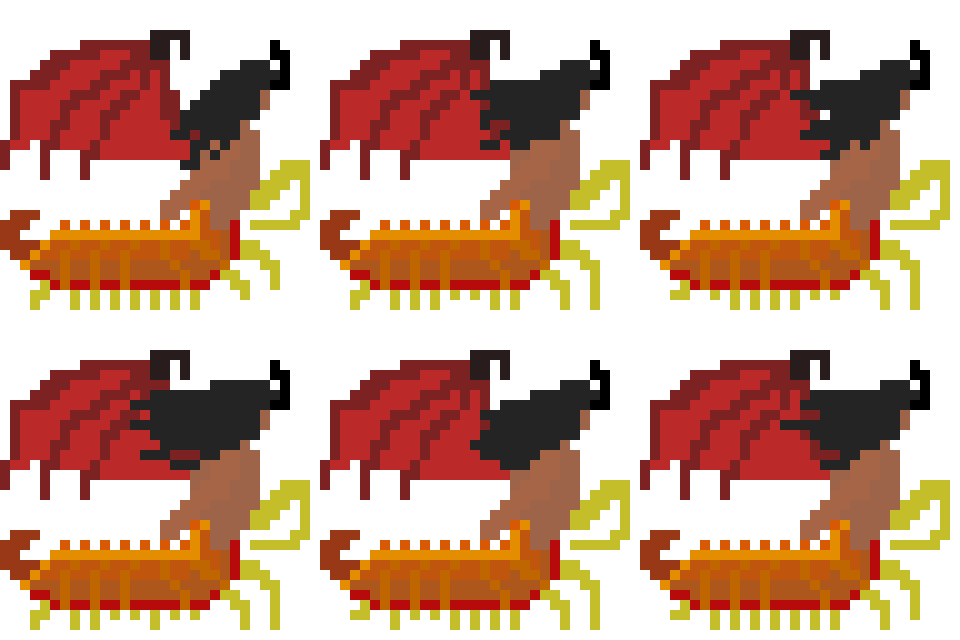
There has been a huge infestation of some large man-eating centipede. They lived underground and started hunting people that ventured too close to their territory. A couple military squads went looking for those missing people, but their actions caused the demon bugs to crawl to the surface and expand their territory.
Scientists are calling them Scolopendra anthrop…anthropa…anthrophagus! It just showed up on the TV! I believe the name means “Man eating venomous centipede”, though I think almost everyone’s been ignoring that and decided to call these things the “Meek” instead. People began associating this invasion with old sci-fi movies like “THEM!” and the quote “the meek shall inherit the earth” from the Bible. These guys are venomous and tend to hunt in large groups, and their increased size meant their armor got a lot more durable.
We’ve tried slicing, stabbing and poisoning these buggers, but nothing keeps them away for long. I’ve heard that some towns closer to California even tried mustard gas and explosives! It sounded like the Meek were at least resistant to the gas because of their ability to survive in places with poor quality air, which sucks for us humans.
I think that’s enough of a recap of the past couple weeks. I started this series of recordings because of…something in my basement. For the past day or two I’ve heard scratching and scuttling sounds by where I keep my books. I don’t know what it is, but I have to assume the Meek are finally here.
There’s nothing really else to report on yet, but I’ll keep you all updated.
-B E E P-
Okay. There’s definitely something big trying to get in. I’m looking right at the wall where most of the sounds came from yesterday, and there’s a few cracks around the height of my knees. It’s as if something’s digging through from the outside. Does that mean the Meek can dig through concrete? I really hope not, but just in case they can I’m going to barricade it with a couple folding tables after this recording.
It sounds crazy, but it’s starting to sound like there’s more scuttling and scratching in a few surface level walls. How the hell are those things already in the walls?
-B E E P-
Okay, it definitely got worse. There’s a lot less scratching in the basement, but now the floorboards are moving and there’s a hole in the pantry. Come on guys, I was really looking forward to those bags of chips! I hope you’re happy, you chitinous bastards!
-B E E P-
I grabbed my gun and all the ammo I have from my room, and I’m considering just shooting at the walls and floors in case that spooks those damn devils away. It has to be better than the alternative. Wish me luck guys.
-B E E P-
(In a muffled voice) I can hear you! Get out, all of you!
Bang Bang Bang
Yeah, that’s right! Fear me!
Bang Bang
I have more ammo and determination than any of you could even dream of having!
. . .
You! You’re the one that tore through my fridge! Get over here so I can get your head on a spike! That Jimmy Fallon ice cream was a limited time deal, and you ate ALL of it!
Bang Click
Crap. I have to reload quickly! Before that ice cream thief gets too far away!
Click
There we go! I’m coming for you!
Bang Bang Bang Bang
-B E E P-
Okay, they’re finally out…wait. Why does it smell like someone started burning something in the basement?
Wait…fuck! Fuck! Fuck! Everything’s on fire! What do I do, what do I do?
Gah!
Crash
You! Don’t you dare drag me away! I’m not letting you win this battle!
Click Click Click
No! No! I can’t let you win! No! No…no…
Scuttling
-B E E P-

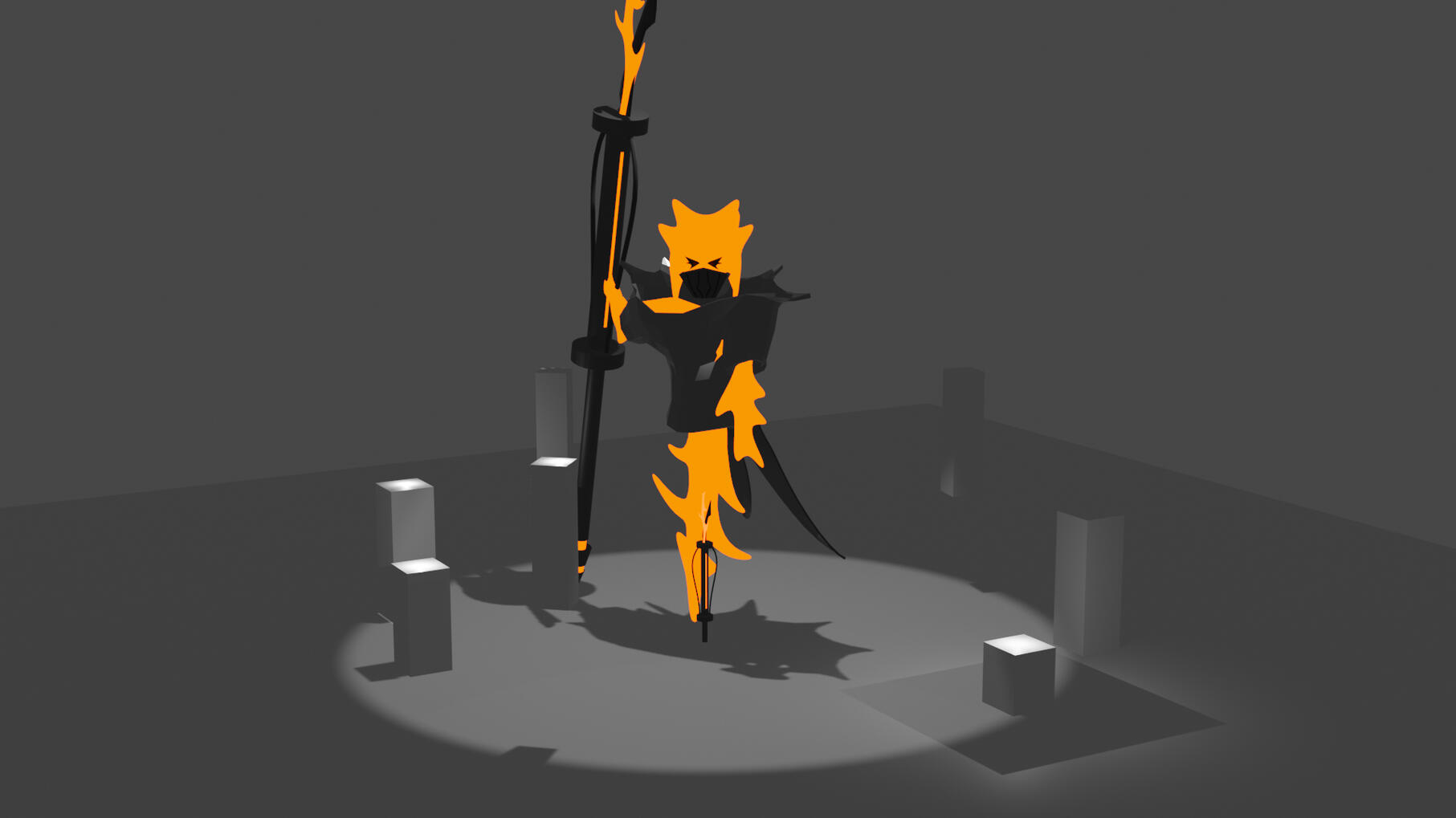
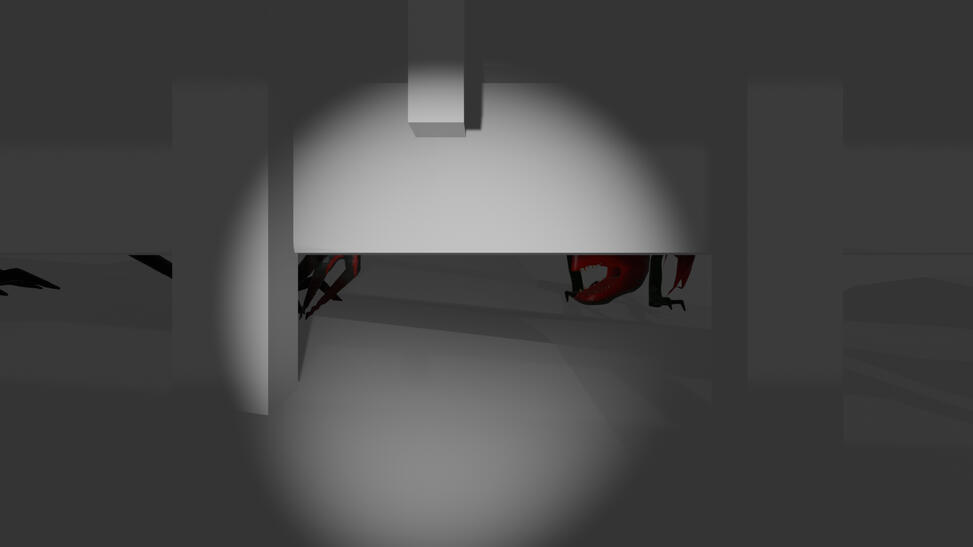
Anomaly 13 is a 4-game series I am working on that is intended to portray various aspects of mental health and identity in an easy way for me to explain. It has roots in psychological horror, but is mostly intended to be a 3D puzzle platformer with monsters and robots.The series focuses on a varied group of characters that are attempting to return order to a broken universe (also known as an "anomaly").
Chronocene
The Chronocene is a sci-fi/cosmic horror/dark fantasy book series that I have been working on for a few years now.Because of the extra work I have been putting into it, I am designing a separate carrd site specifically for the Chronocene that I will be transferring all of my work to. When it is open to the public, I will replace this page with a link to the site.
Text
Traditional
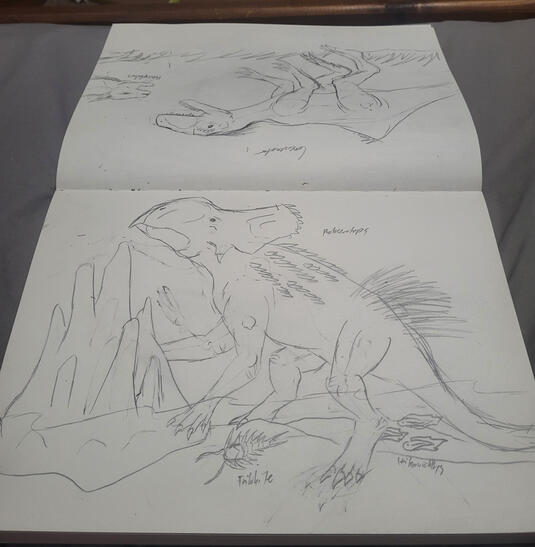
Blender 3D
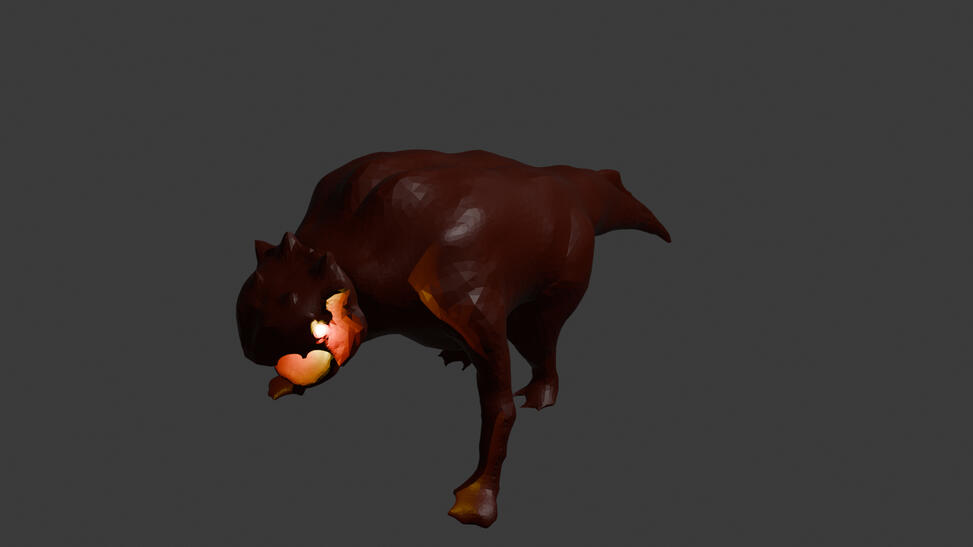
Krita
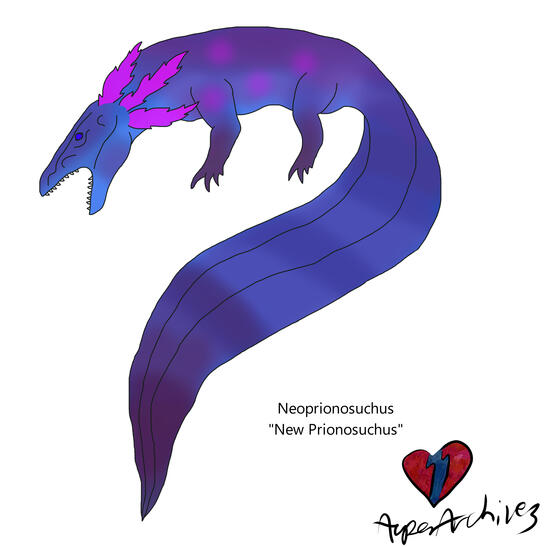
Procreate
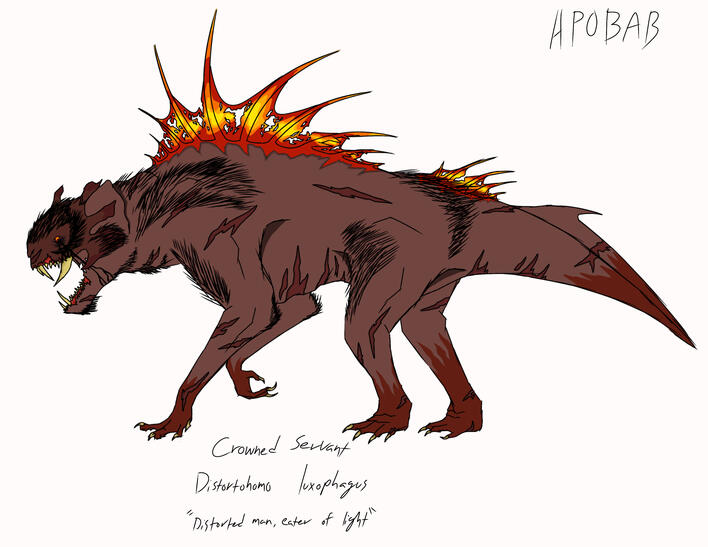
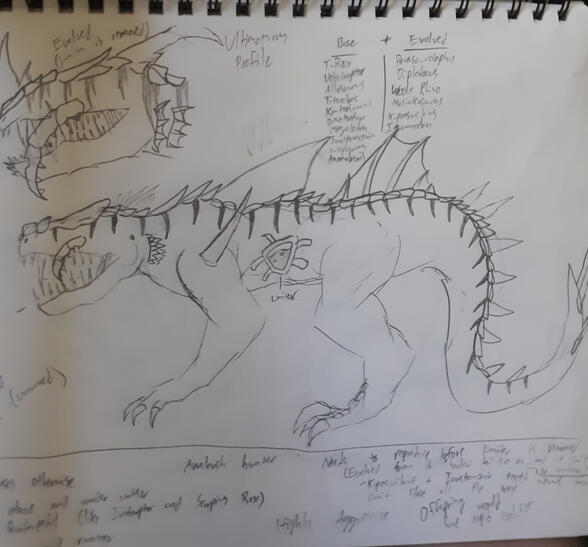
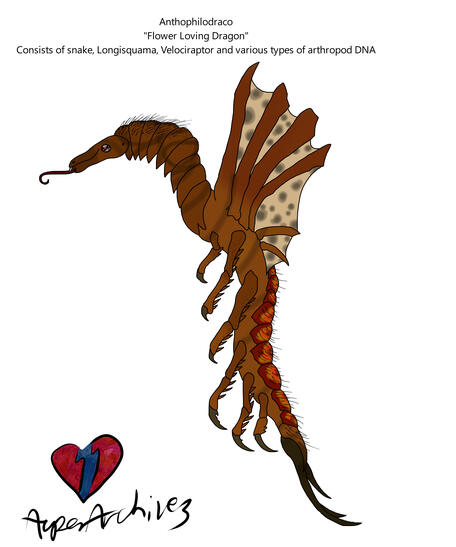
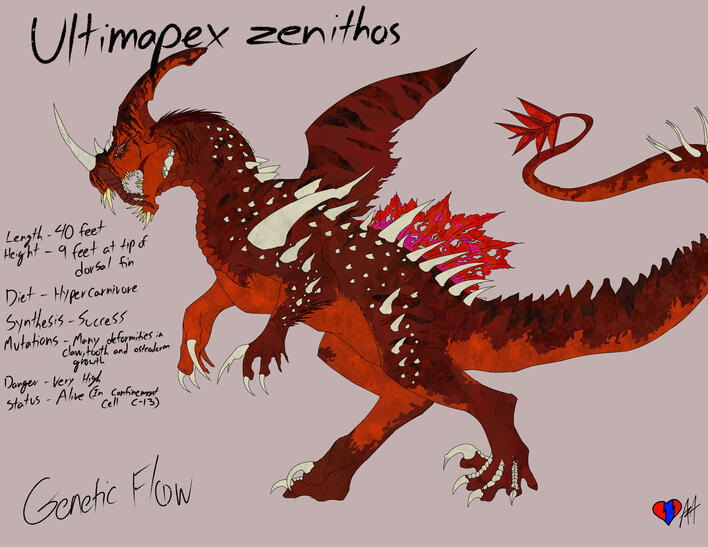

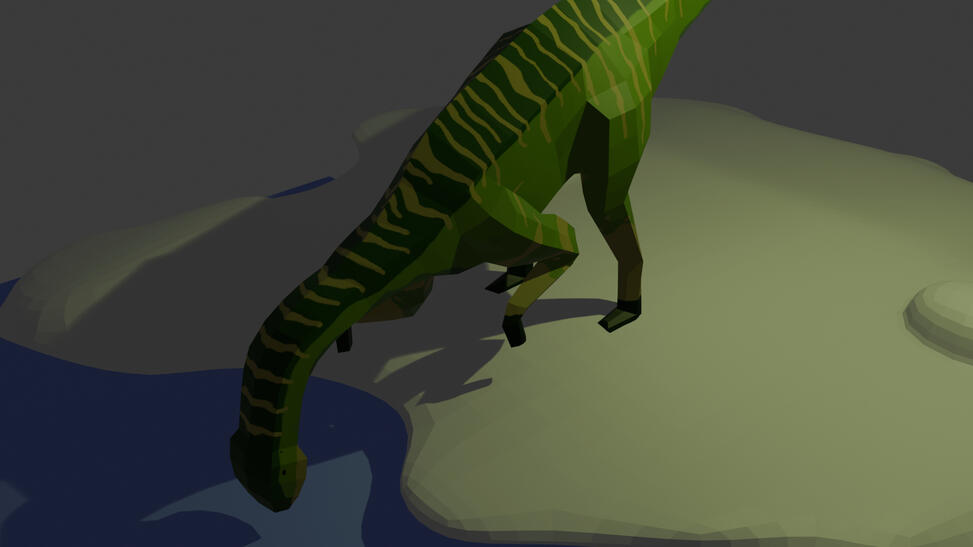
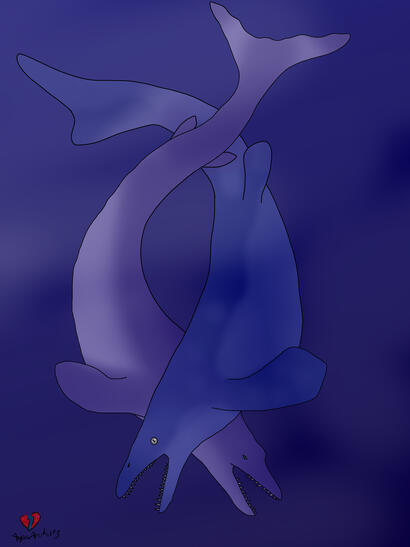
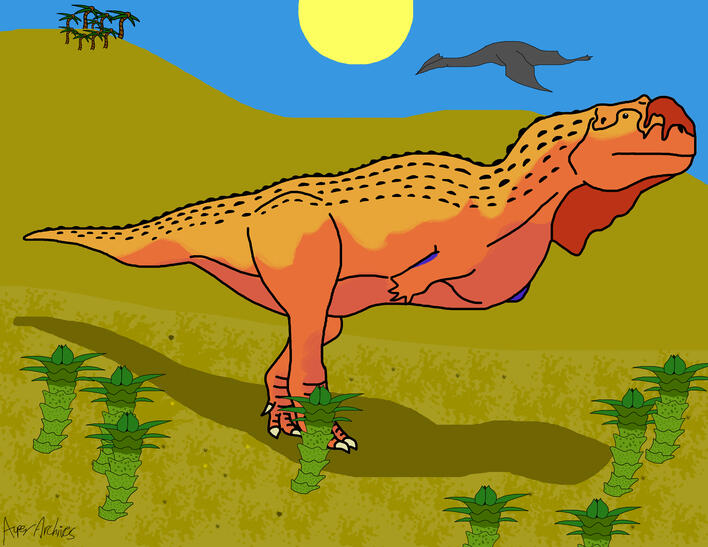
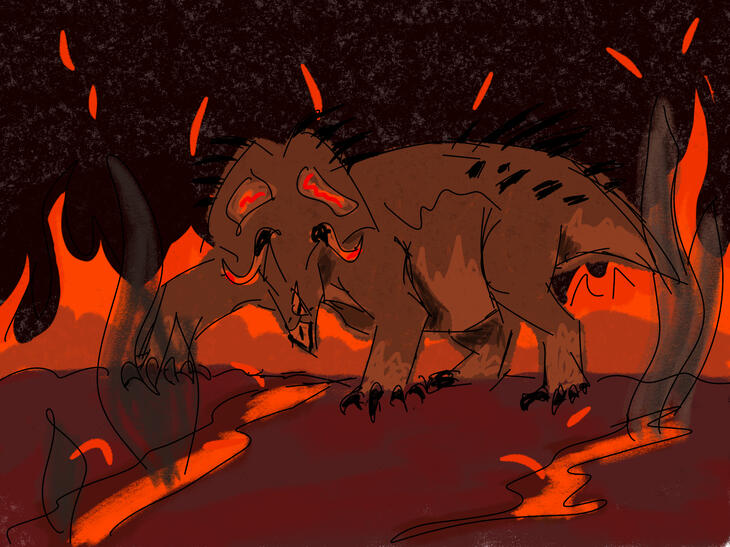
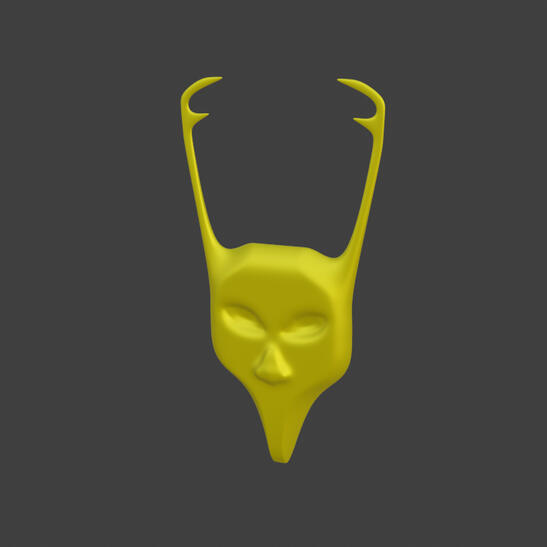

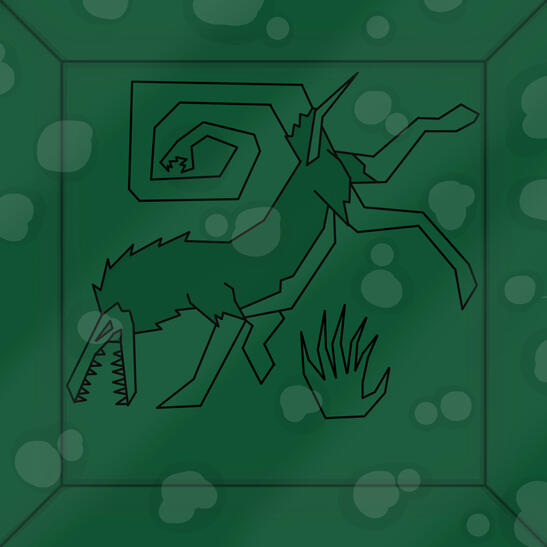

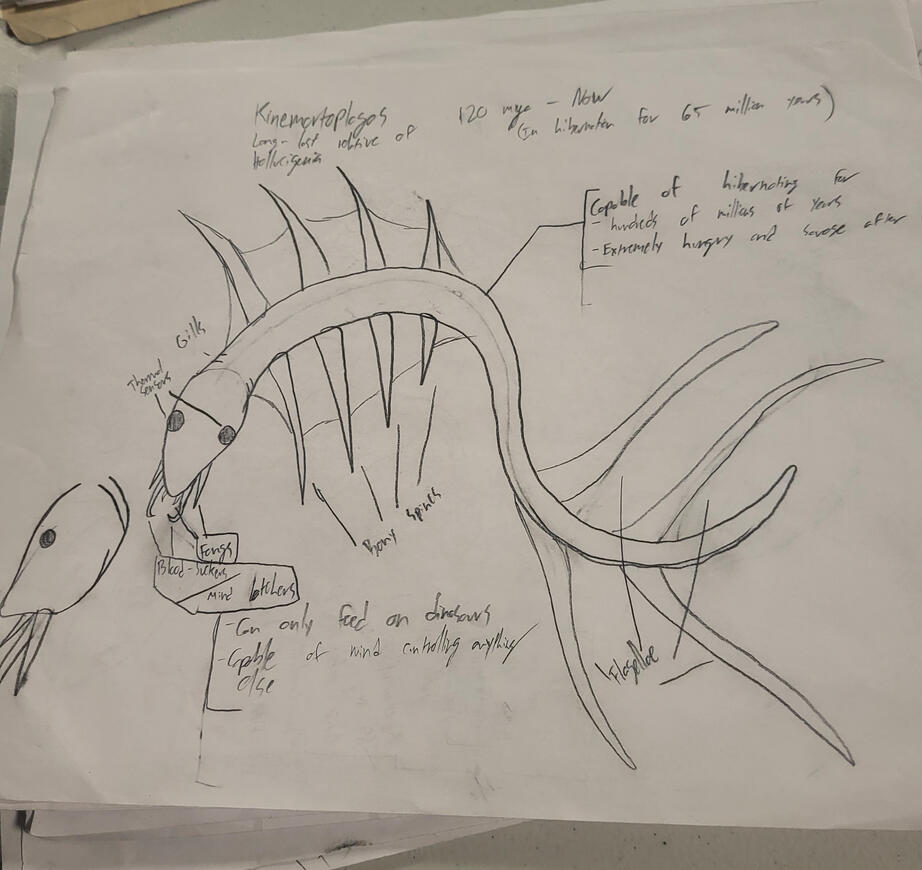



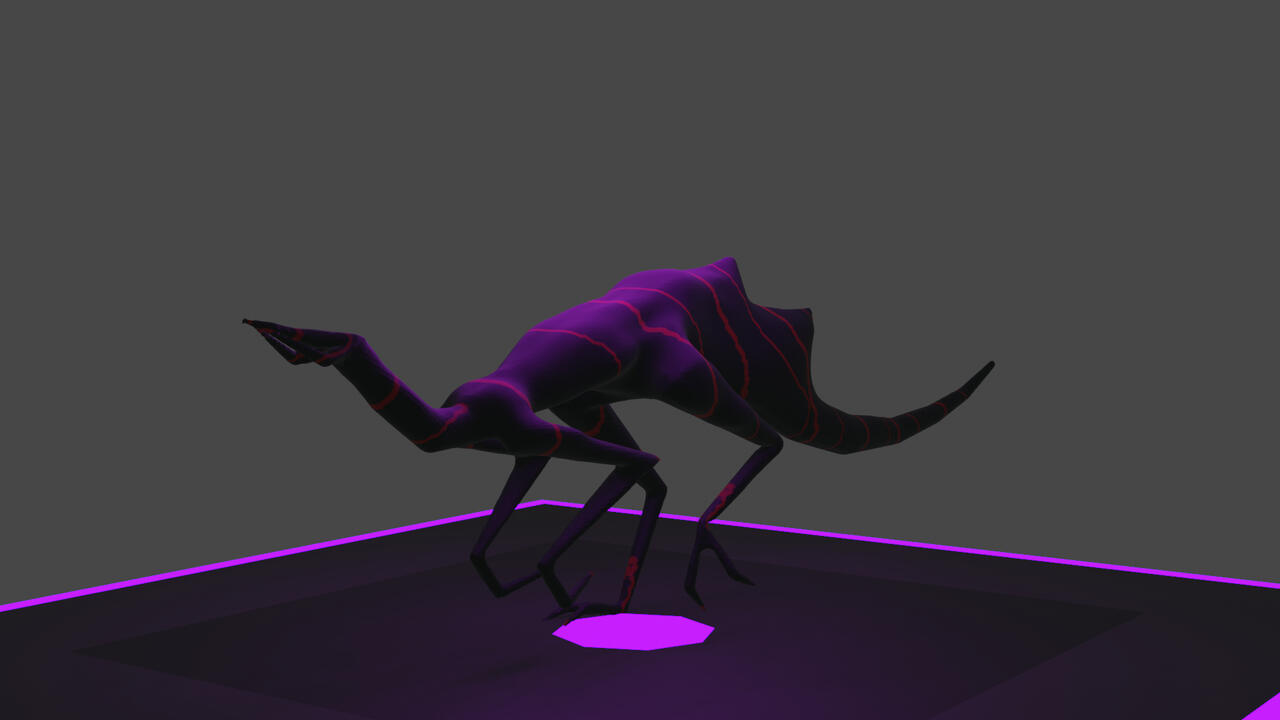


The Book of Monsters
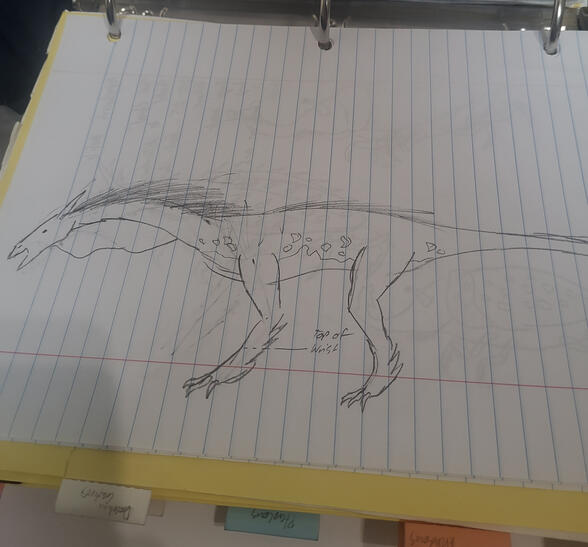
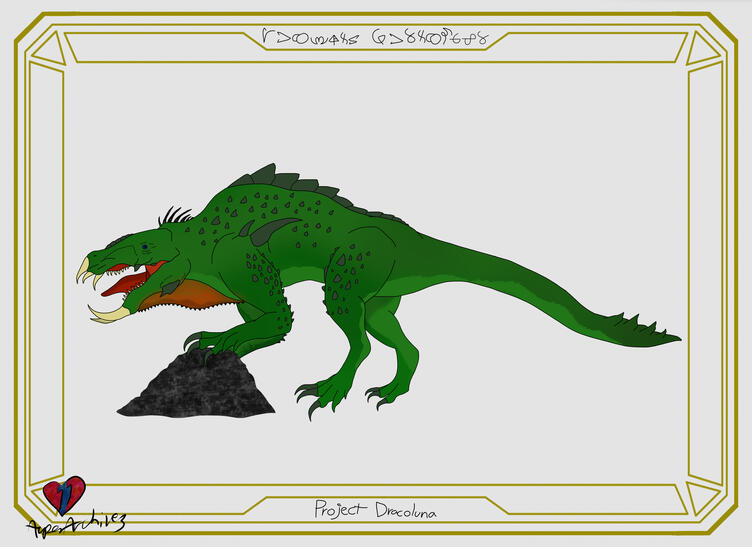
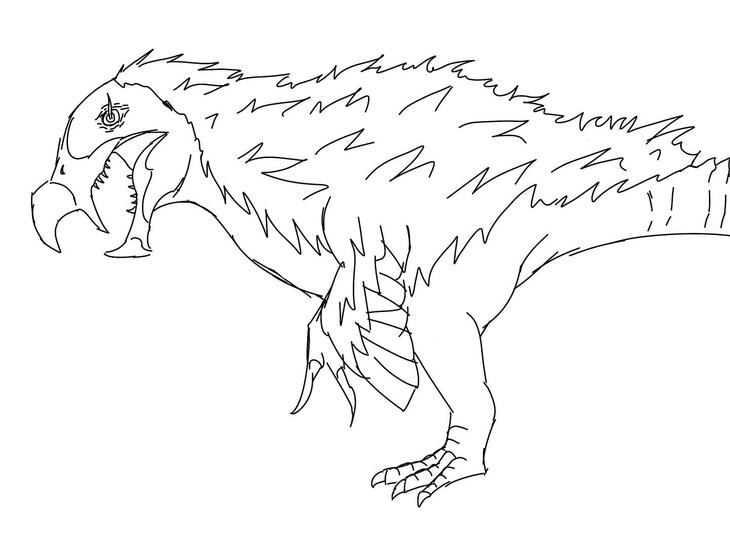
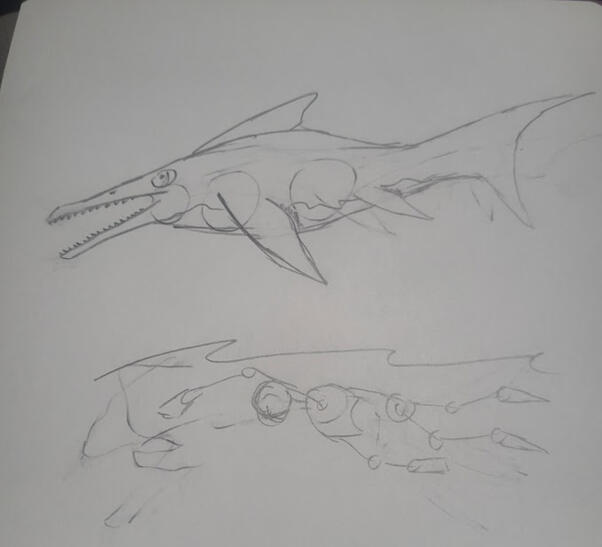
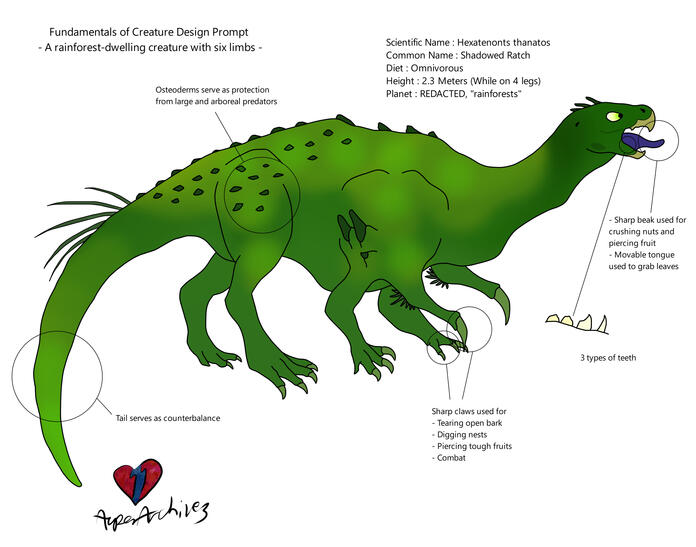
Disclaimer: While this project is abandoned, I have been moving certain characters and aspects from the Book of Monsters into the stories of Anomaly 13 and Chronocene.
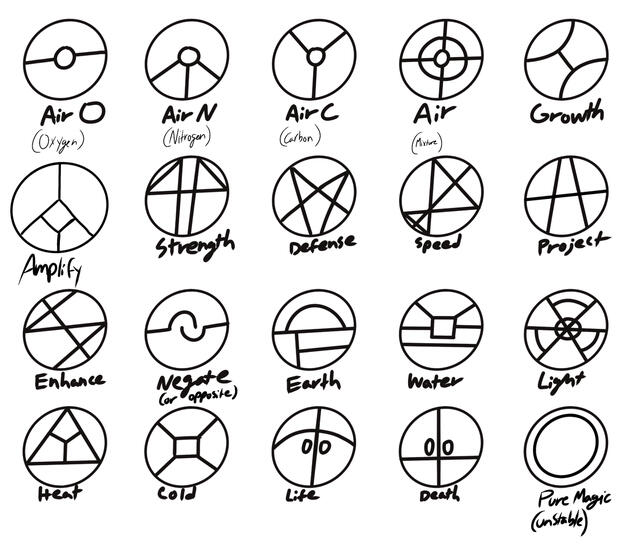
The book will continue to serve as one of a few super-powerful items in the Anomaly 13 multiverse, and some specific monsters in the book will serve as subspecies of certain creatures that have been afflicted with magical mutations. (ie the monster known as "Fisher" could be a subspecies of Spinosaurus mirabillis that was born with various growth glyphs)
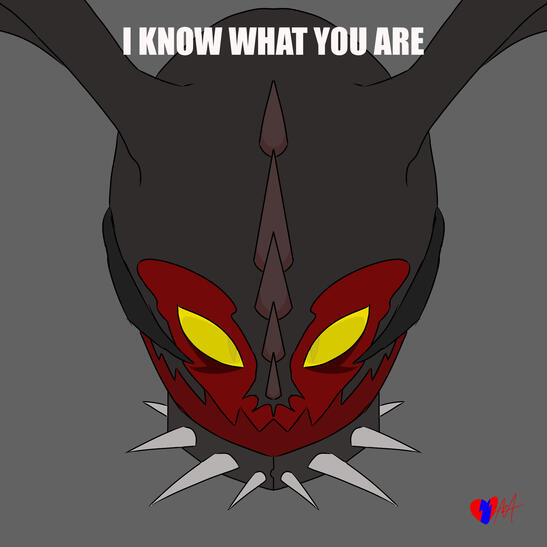
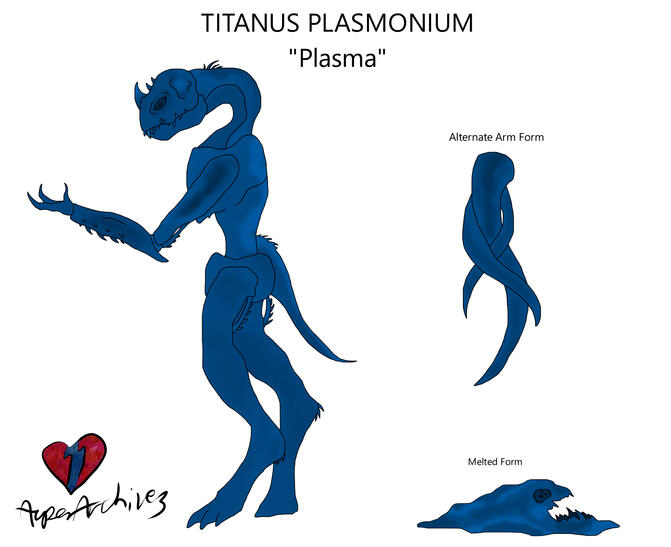
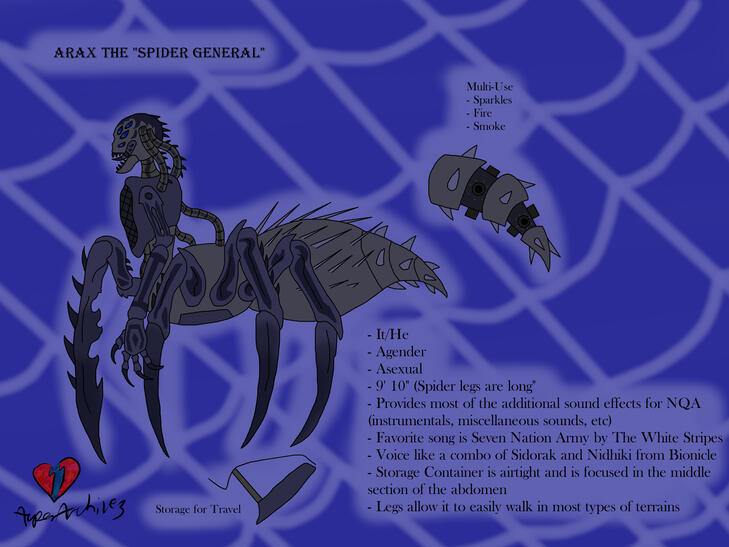
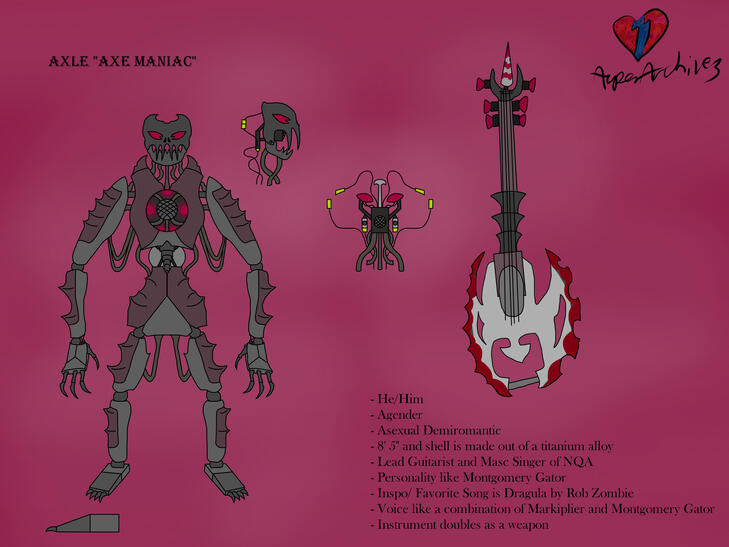
Anomaly 13, otherwise known as "A13" is also the 1st game in the series. The premise is that a large anomaly (a "mistake" in a universes genetic code) has occurred, one that multiple different groups were drawn to in attempts to restore some sense of order. Because of its degree of severity, it was assigned the number 13.
The main storyline focuses on a ragtag group of magical humans along with an undead cyborg and a multiversal engineer trying to knock down a genocidal monster named "Plasma" and his equally sadistic lackeys.
Much of this game focuses on themes of identity/ searching for a sense of belonging along with Autism, ADHD, Depression and Anxiety.
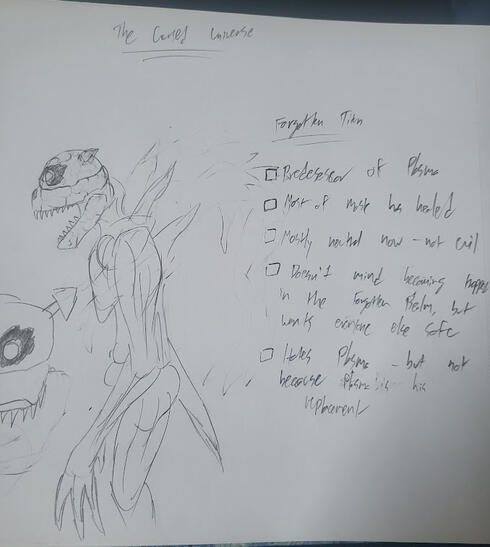
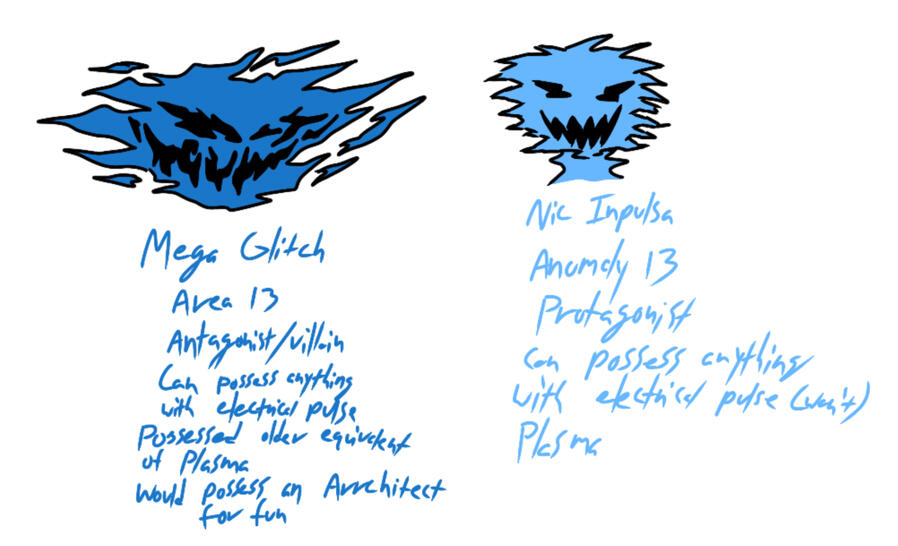
The Decayed Timeline has actually had quite the change from its original version despite still keeping some major point elements intact. This game was originally going to focus on the original designs of certain characters from Area 13 (the original version of Anomaly 13), along with their anger at being replaced. While they are still a major plot point, they are less angry and more apathetic now. Even if they once cared, they sure don't anymore.
Instead, the game focuses more on how their world has recently started to decay after decades of only being "dead". This decay allows for an old evil to finally escape and wreak havoc on a multiverse he never should have known. His name is Mega Glitch, and he was an electrical spirit who also served as the main villain of Area 13.
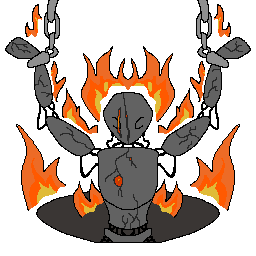
In the end of his game, Glitch was intended to be captured and sealed for all eternity by an odd character only known as the Warden. With Area 13 decaying and his prisoner now missing, the Warden must storm through the multiverse to prove to himself that he couldn't have failed at the one thing he was made for. In his search, he captures who he thinks is Mega Glitch. In reality though, he instead kidnapped Nic Inpulsa. Nic is an electric spirit who served as one of the protagonists of Anomaly 13, and was a redesign of Mega Glitch from when I decided I wanted the story to go in a different direction.
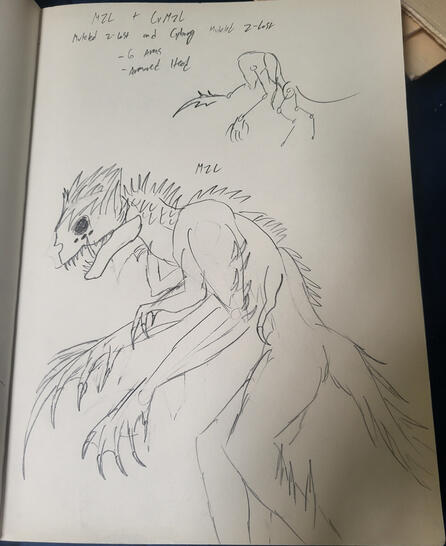
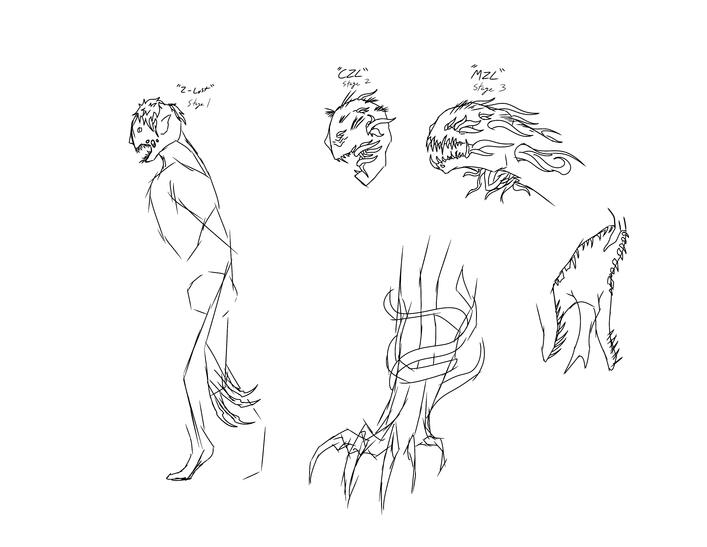
As you may be able to tell from the lack of finished art, this game has the least amount of story out of all 4 in the series. In fact, it's only here because I need a final standoff against Plasma before the events of The Burden and after the events of The Decayed Timeline.Honestly, the only real story element I have figured out for this is that Plasma has been slowly reconstructing himself in the vast cold emptiness of space since the end of game 1, and now he's large enough to tear the planet Earth apart. It's not that unique of a plot element, I know.
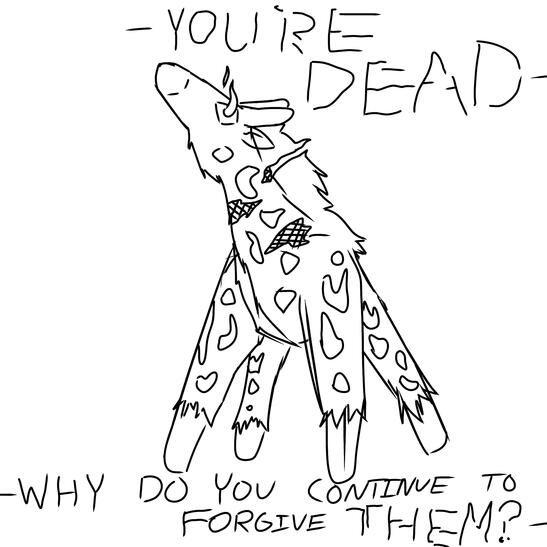



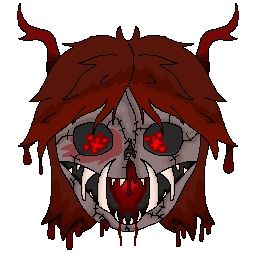
The Burden is the 4th and final game in the Anomaly 13 series, and the one that means the most to me.
While Anomaly 13 is the original game and I've put the most time into it, the Burden has been the most influenced by my trauma and mental health issues.
Many ages after the main trilogy is over and everyone else is gone or long dead, one aching soul still refuses to let go. They were hurt over and over again in so many ways over so many years, and instead of letting it out they continue feeling like they must let it grow over time into a sort of purgatory that feeds infinitely on their suffering.
The Burden is about more than just an undead cyborg refusing to let go. It's about how Depression, Anxiety, Post-Traumatic Stress Disorder and Obsessive Compulsive Disorder can form an infinite feedback loop that slowly but surely warps every thought and memory and feeling into an endless labyrinth of pain and suffering. It's about how hard it can be to get out of that cycle no matter how many people you have by your side. It's about refusing to give up your suffering even when you and everyone else knows it's hurting you.
And that's why it's so important to me. It's a manifestation of what I've been fighting through, of how often I feel like a corpse refusing to rot, and of how badly I just want it all to finally be over.
I don't want anyone else to go through what I did, if I can help it.
No matter how zany or ridiculous the rest of the Anomaly 13 series is, the Burden will always remain the most serious and a testament to what I had to go through in order to make it to where I am now.
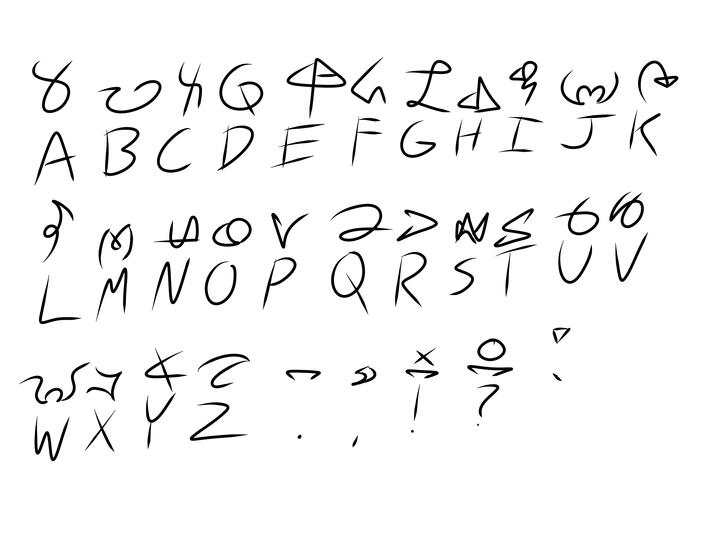
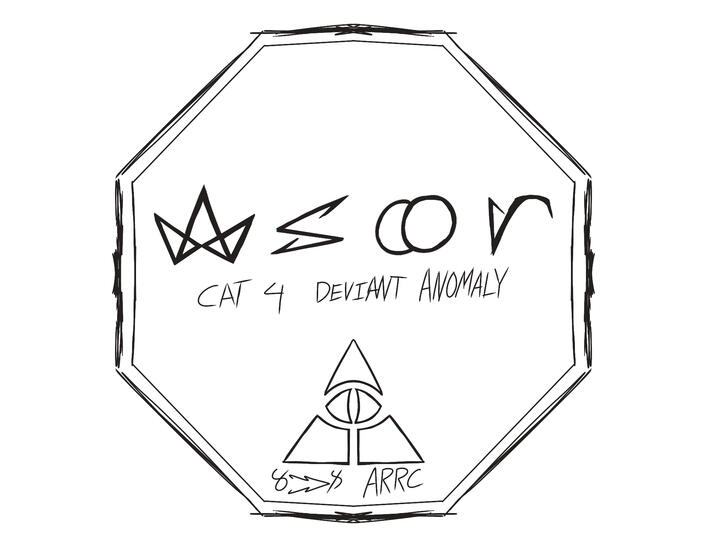
A.R.R.C. - Anomaly Research/Relocation Center
Location: UNKNOWN
The ARRC is a cosmic structure as old as time itself, and about as old as the infinite multiverse. The beings who work here are called Arrchitects, also known as the "repairmen of the multiverse". When anomalies show up, it is up to them to understand the severity of each one along with its level of urgency. Arrchitects are "ageless", instead their level of experience is what determines the upper limit of how dangerous the anomalies they are assigned to can be
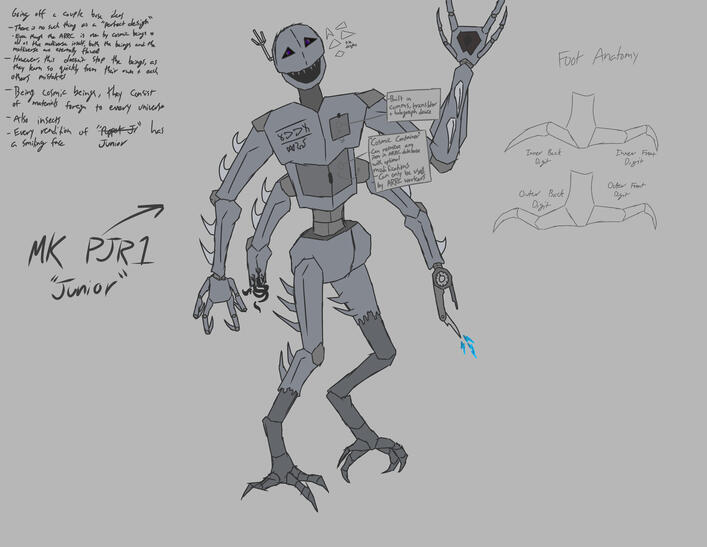
There is one Arrchitect model that is praised above all others: MK PJR1. They do deserve this praise of course, they are one of the originals and have been working hard to earn their place among their peers. They don't like talking about their success, instead choosing to use their voice to highlight the successes of the newer generations.
Though, rumors have circulated through the ARRC that PJR1 (or "Junior") was recently assigned to a new rift anomaly and no one else was allowed to accompany them. That doesn't bode well, especially knowing how Junior loves to take less experienced ARRChitects with them on excursions.
Anomalies - Chaos in an otherwise balanced program
The Infinite Multiverse is an interesting phenomenon. While it does account for paradoxes such as "a universe where the multiverse doesn't exist", it never could have accounted for something far more potent: entropy. Like how cells reproduce, the multiverse continues to grow and split and evolve. However also like cells, that infinite growth tends to create problems. In cells, you have things such as cancer and anemia. In universes, you have "anomalies".
Just like cancer, anomalies can come in many forms. There are 5 main categories of anomalies:
- Time Anomalies
- Rift Anomalies
- Curse Anomalies
- Variant Anomalies
- Deviant AnomaliesWhile not every anomaly fits into these categories, most that have any sense of urgency tend to fall under one of these 5.
There is one final thing to know about anomalies.
They cannot be destroyed or removed without causing more damage to the afflicted universe.
If you're lucky, it'll heal like a deep gash. If you're not lucky, it might not heal at all. Because of this, the top priority in excursions is to focus on any instances created by the anomaly that pose the biggest threat to the balance of the afflicted universe.